

A study led by the Diabetes and Associated Metabolic Diseases (DIAMET) group at the Institut de Recerca Biomèdica Catalunya Sud (IRB CatSud, formerly IISPV) shows that liver fibrosis and type 2 diabetes significantly modify the hormonal response after eating in people with fatty liver associated with metabolic dysfunction (MASLD). The research, published in the Journal of Physiology and Biochemistry, examines how both conditions affect the secretion of essential hormones for glucose control—such as glucagon and the incretins (GLP‑1, GLP‑2 and GIP)—after a standardized meal.
The results show that liver fibrosis is the most important factor influencing the increase in GLP‑1 levels, both in fasting conditions and after the meal, regardless of whether the patient has diabetes. In addition, when liver fibrosis and type 2 diabetes occur together, hormonal changes become stronger, suggesting a synergistic effect between both conditions. Type 2 diabetes is also linked to the loss of the normal suppression of glucagon after eating, a key process to keep blood glucose within healthy ranges.
These findings reinforce the idea that a fibrotic liver is not a passive organ, but plays an active role in metabolic dysregulation. Fibrosis not only reflects past damage but also contributes to generating new hormonal alterations. Understanding these changes is essential to improve clinical assessment and move towards more personalised treatments for MASLD.
With the growing prevalence of MASLD and type 2 diabetes, understanding how these conditions interact at the hormonal level is crucial to improve early diagnosis and optimise treatments based on the incretin–glucagon axis. The study provides evidence that can help identify subgroups of patients who may benefit from more specific therapeutic approaches, with a direct impact on clinical practice.
Overall, the results confirm that liver fibrosis is a central determinant of GLP‑1 levels, and that the coexistence of type 2 diabetes further intensifies these hormonal alterations. This knowledge highlights the need to design therapeutic strategies adapted to the metabolic and liver profile of each patient, especially in a context where both diseases are becoming increasingly common.
The study involved researchers from the Universitat Rovira i Virgili (URV), the Institut d’Investigacions Biomèdiques August Pi i Sunyer (IDIBAPS) – Hospital Clínic Barcelona, the research networks of the Instituto de Salud Carlos III (ISCIII) — the Centro de Investigación Biomédica en Red de Diabetes y Enfermedades Metabólicas Asociadas (CIBERDEM) and the Centro de Investigación Biomédica en Red de Enfermedades Hepáticas y Digestivas (CIBEREHD) — as well as the Hospital Universitari Joan XXIII (Tarragona).
The Solidarity Walk ‘Let’s Take a Step Against Diabetes’ aims to raise awareness among the population about the importance of adopting healthy lifestyle habits and to support biomedical research carried out in the region. All the funds raised will go to the Diabetes and Associated Metabolic Diseases Research Group (DIAMET) at IISPV, which focuses on finding new knowledge and strategies to improve the prevention, diagnosis, and treatment of diabetes and other metabolic diseases.
“The Perafort Town Council reaffirms its commitment to health, solidarity, and medical research through this initiative—values we consider essential for the well-being of our citizens. The funds are allocated to the IISPV to support research and scientific progress in this field,” said the mayor of Perafort, Joan Martí Pla i Pla. The Perafort Town Council thanks all the individuals and organizations involved and invites everyone to join this solidarity cause. Taking a step against diabetes is taking a step for everyone’s health.
There are different types of diabetes, but the most common are type 1 and type 2. Type 1 diabetes affects about 0.2% of the population in Spain, and around 10% of diagnosed cases are in young people and children. Type 2 diabetes affects between 6% and 14% of the population. This percentage depends on the age group considered, but the older the person, the higher the incidence.
The director of the IISPV, Joan Vendrell, explains that “diabetes is not visible, but it can be controlled with information and a healthy lifestyle. In this sense, events like the walk are very valuable, as they help raise awareness about the disease and its impact, and also promote the work we do. Moreover, they are an opportunity for people to contribute to the development of the various research projects underway at the Institute.”
With a registration fee of €5, participants will receive a commemorative T-shirt, enjoy breakfast and drinks in Els Garidells, and take part in a raffle of products offered by the event’s sponsors after the walk. Registration is open until November 21st, 2025, through the following link: https://serveis.iispv.cat/events/desena-caminada-contra-la-diabetis
Scientists from around the world will gather to discuss the liver sinusoid, a specialized type of blood capillary found in the liver, and its role in ageing, regeneration, and disease
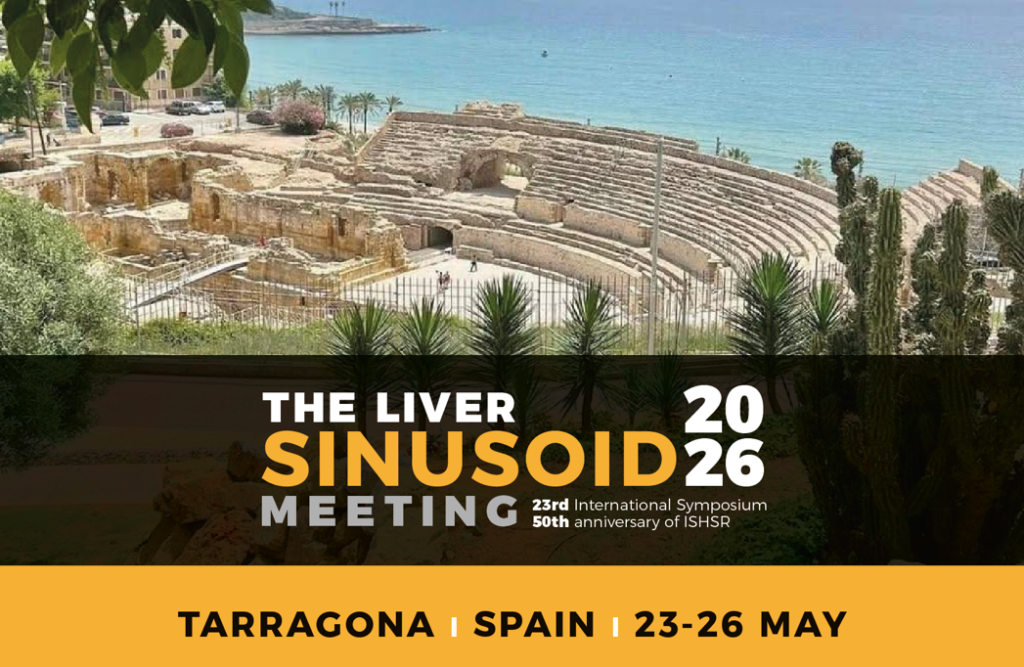
From May 23 to 26, 2026, Tarragona will welcome researchers and professionals specializing in liver sinusoidal biology. Under the theme of understanding the crucial role of the liver sinusoid in hepatic function, disease progression, ageing, and tissue regeneration, The Liver Sinusoid Meeting 2026 will mark the 23rd edition of this prestigious event. It will also coincide with the 50th anniversary of its organizing body, the International Society for Hepatic Sinusoidal Research (ISHSR). This scientific meeting aims to explore the complexity of liver microcirculation, immune regulation, and cellular interactions within the sinusoidal space. The program will highlight the latest advances in sinusoidal endothelial cell biology, liver immunology, fibrosis, and innovative therapeutic approaches.
Attendees will have the opportunity to learn from a distinguished group of international experts who will lead discussions on current challenges and future directions in liver sinusoid research. In addition to scientific sessions, the congress will feature a cultural program, including guided tours of Tarragona’s Roman heritage sites.
Registration and Abstract Submission
The Liver Sinusoid Meeting 2026 opens its registration period from October 1 to December 31, both days this year 2025. The congress is also open to a call for research and there is time to present it until December 31, 2025.
Among those present in the organizational committee, is the head of the area of Metabolic Diseases and Nutrition of Institut d’Investigació Sanitària Pere Virgili, Sonia Fernández-Veledo, also responsible for the research group in ‘Diabetes and Associated Metabolic Diseases’ (DIAMET).
The scientific meeting receives the institutional support of: Departament de Recerca i Universitats de la Generalitat de Catalunya, Patronat Municipal de Turisme de Tarragona, Ajuntament de Tarragona, Centro de Investigación Biomédica en Red en el Área de Enfermedades Hepáticas y Digestivas and Instituto de Salud Carlos III.