
A study by IRB Catalunya Sud (formerly IISPV) and Hospital Universitari Joan XXIII de Tarragona has discovered that these vesicles act differently depending on tumour aggressiveness, opening new possibilities for future therapeutic strategies.
Prostate cancer is the most common tumour in men in many Western countries. In the Tarragona region, nearly 670 new cases are diagnosed each year, and the number exceeds 30,000 at the national level. Although many tumours grow slowly, others can progress and spread, so understanding the factors that drive this aggressiveness is essential to improve patient outcomes.
In this context, researchers from the Grup de Recerca en Biomarcadors de Malalties i Mecanismes Moleculars (DIBIOMEC) at the Institut de Recerca Biomèdica Catalunya Sud (IRB Catalunya Sud, formerly IISPV), in collaboration with the Urology and Pathology Departments of Hospital Universitari Joan XXIII de Tarragona, have made an important step forward. Their recently published study shows for the first time that extracellular vesicles (small particles released by cells) from the adipose tissue surrounding the prostate (periprostatic adipose tissue, PPAT) modulate the behaviour of tumour cells differently depending on cancer risk level.
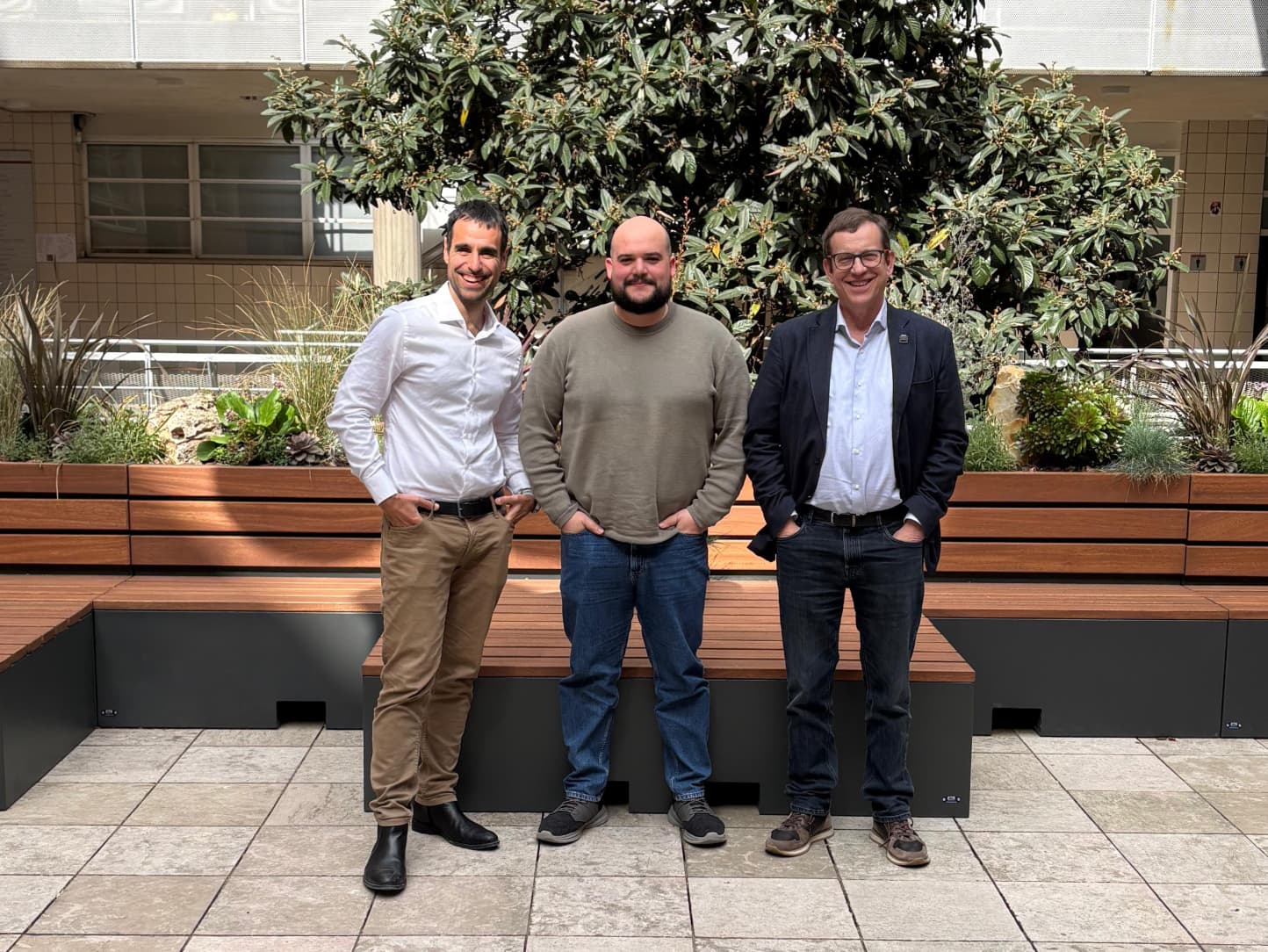
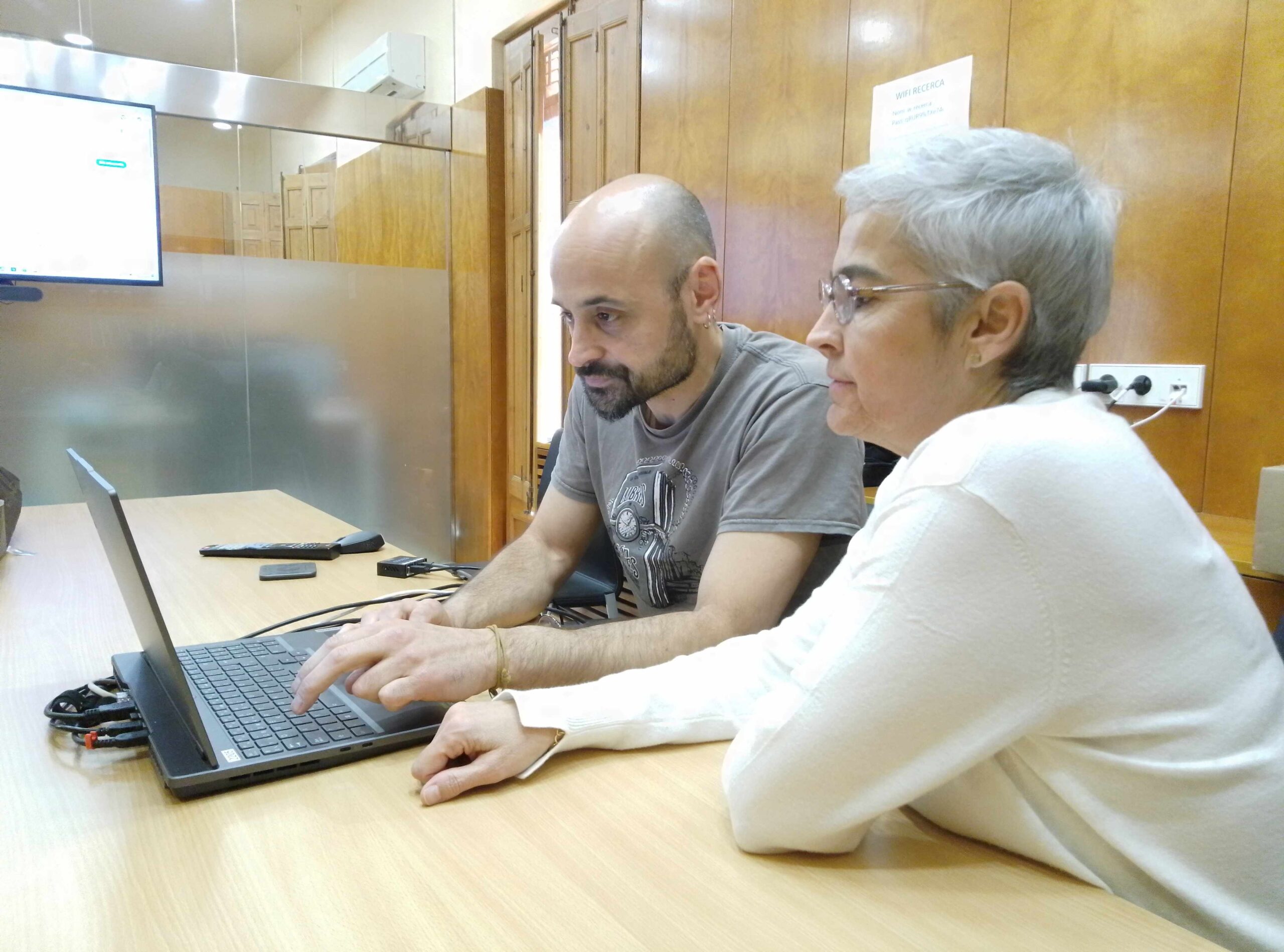
The research, led by Dra. Matilde R. Chacón and Dr. Xavier Ruiz-Plazas, and carried out by a multidisciplinary team, provides a new perspective on how the tumour microenvironment — particularly periprostatic fat — “communicates” with cancer and influences its evolution.
First, the study reveals risk‑dependent effects. Vesicles from periprostatic adipose tissue of patients with low‑risk prostate cancer mainly stimulate tumour cell proliferation. In contrast, vesicles from patients with high‑risk tumours do not promote proliferation, but they do increase the migration capacity of cancer cells and stimulate angiogenesis (the formation of new blood vessels), both of which are key processes in tumour progression and spread.
The vesicles also affect the tumour microenvironment. Besides acting on cancer cells, they influence other surrounding cells. Low‑risk vesicles promote a pro‑inflammatory and immunosuppressive profile in macrophages (immune cells), which may help create a supportive environment for early‑stage tumours.
Another important finding is the activation of signalling pathways, as the observed effects are linked to the activation of key molecular routes in cancer.
This discovery shows that periprostatic adipose tissue is not just a passive structure but an active and dynamic player that modulates prostate cancer behaviour depending on disease aggressiveness. Extracellular vesicles from this tissue emerge as promising therapeutic targets for future strategies aimed at interfering with communication between the tumour and its microenvironment, especially in cases with a higher risk of progression.
Although these results come from in vitro models and further studies will be needed in more complex systems, this research represents a significant step forward in understanding prostate cancer biology and opens a promising avenue for translational research.
Link to the scientific publication:
Arreaza-Gil V. et al. Periprostatic adipose tissue-derived extracellular vesicles modulate prostate cancer cell behaviour in vitro according to tumour grade. Mol Med (2026).
PubMed: https://pubmed.ncbi.nlm.nih.gov/41566212/
DOI: 10.1186/s10020-026-01422-7
 Facebook
  Mail
Mail  WhatsApp