

A study of 746 older people followed for six years identifies a “microbial signature” associated with this dietary pattern and more favourable cognitive ageing
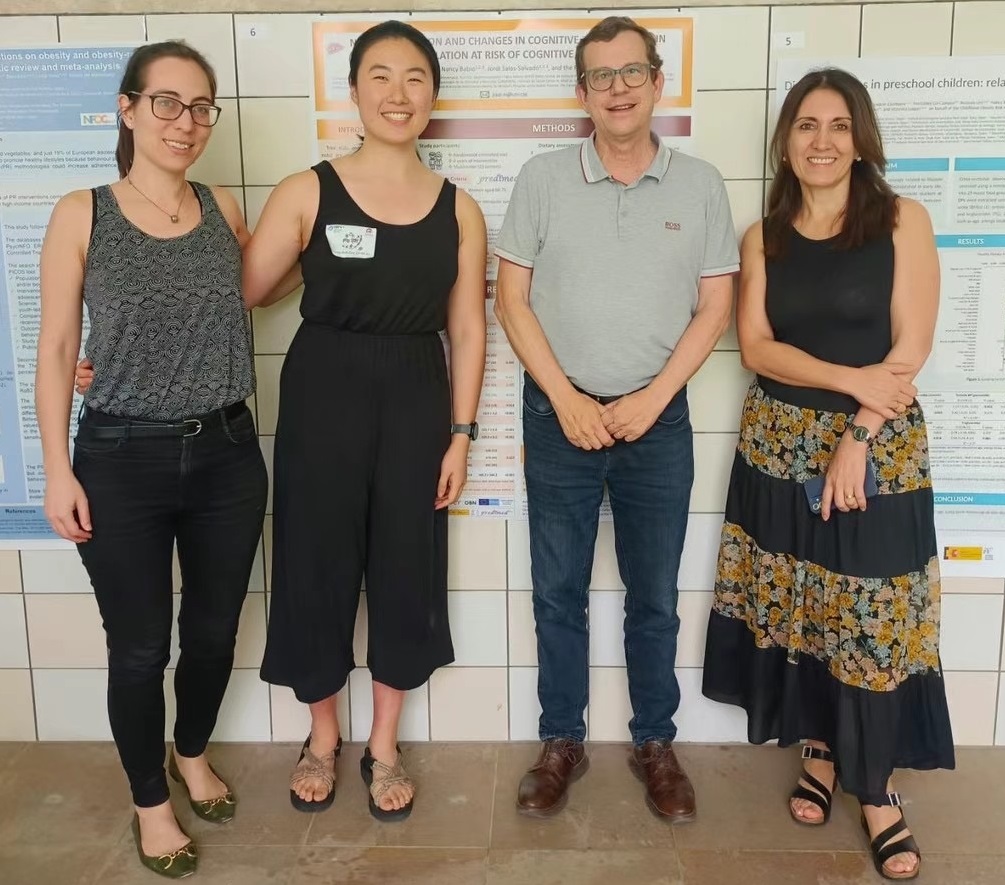
Following a Mediterranean diet not only benefits the heart and metabolism, but could also help preserve cognitive function as ageing progresses. This is according to research led by the Rovira i Virgili University (URV), the IISPV and CIBERobn, which shows how this dietary pattern is associated with a healthier gut microbiota and slower cognitive decline in older adults with overweight or obesity and metabolic syndrome.
The study, published in the journal BMC Medicine, analysed data from 746 older adults at high cardiometabolic risk, who were followed for six years. The research team assessed adherence to the Mediterranean diet, the composition of the gut microbiota and the progression of cognitive function over time. The results indicate that those who most faithfully followed this dietary pattern had a more favourable gut microbiota and a more positive cognitive trajectory.
One of the most innovative aspects of the work is the identification of a “microbial fingerprint” characteristic of the Mediterranean diet. This new biomarker, based on the presence and abundance of certain gut bacteria associated with this type of diet, is also linked to slower cognitive decline. According to the authors, this finding provides new clues about the biological mechanisms that explain the benefits of the Mediterranean diet on the brain.
Eix intestí-cervell
Cognitive function includes abilities such as memory, attention, learning, language and decision-making, which are essential for maintaining autonomy in everyday life. In parallel, the gut microbiota is composed of trillions of bacteria that are involved in key processes such as digestion, immunity and the production of substances that influence the body’s functioning. In recent years, research has revealed the existence of the so-called gut-brain axis, a bidirectional communication system through which intestinal microorganisms can produce compounds that reach the brain and affect its functioning.
“Aquest estudi demostra que la microbiota intestinal és una peça clau en els beneficis cognitius de la dieta mediterrània”, explica Jiaqi Ni, primera autora del treball i investigadora predoctoral de la URV. “Els nostres resultats suggereixen que alguns bacteris intestinals associats a una major adherència a aquest patró alimentari podrien protegir davant del deteriorament cognitiu”.
En la mateixa línia, el catedràtic de la URV Jordi Salas-Salvadó, director de l’estudi, destaca que “identificar una empremta microbiana associada a la dieta mediterrània obre noves oportunitats per dissenyar intervencions nutricionals o microbianes orientades a promoure un envelliment cognitiu saludable”. De la seva banda, les investigadores del Departament de Bioquímica i Biotecnologia de la URV Nancy Babio i Stephanie K. Nishi subratllen la rellevància dels resultats en un context d’envelliment poblacional i augment de la prevalença de la demència, i apunten que millorar la qualitat de la dieta és una estratègia senzilla i accessible amb beneficis reals per a la salut cerebral.
El treball ha estat liderat per la investigadora predoctoral Jiaqi Ni i dirigit per Jordi Salas-Salvadó, Nancy Babio i Stephanie K. Nishi, membres de la Unitat de Nutrició Humana del Departament de Bioquímica i Biotecnologia de la URV, amb la col·laboració d’investigadors del consorci PREDIMED-Plus. L’estudi s’emmarca en una recerca multicèntrica que contribueix a aprofundir en la relació entre alimentació, microbiota intestinal i salut cerebral al llarg de l’envelliment.
Referència bibliogràfica: Ni J, Hernández-Cacho A, Nishi SK, Babio N, Belzer C, Konstati P, Vioque J, Corella D, Castañer O, Vidal J, Moreno-Indias I, Torres-Collado L, Coltell O, Fitó M, Ruiz-Canela M, Wang DD, Tinahones FJ, Salas-Salvadó J. Mediterranean diet, gut microbiota, and cognitive decline in older adults with obesity/overweight and metabolic syndrome: a prospective cohort study. BMC Med. 2025 Dec 1;23(1):669. doi: 10.1186/s12916-025-04488-y.
• The IUNS ACTIVATOR project will analyse the gaps in nutrition research in Asia and how these gaps affect health policies
• The initiative aims to give a stronger voice to the Asian continent in scientific literature and to prepare it to face current nutritional challenges

A project led by the Institut de Recerca Biomèdica Catalunya Sud (Southern Catalonia Biomedical Research Institute – IRB CatSud, formerly IISPV) and Universitat Rovira i Virgili (URV) will assess the current situation of nutrition research in Asia, identifying the main gaps and needs in this field. This work is supported by a 5,000 dollar grant from the International Union of Nutritional Sciences (IUNS).
With this funding, the IUNS ACTIVATOR team will work over the next four years to evaluate nutrition research, reflect on how it matches regional priorities, and explore its impact on public health policies. The project will also focus on encouraging efforts to produce relevant scientific evidence at regional level, aiming to improve people’s health through mentoring and the involvement of key stakeholders.
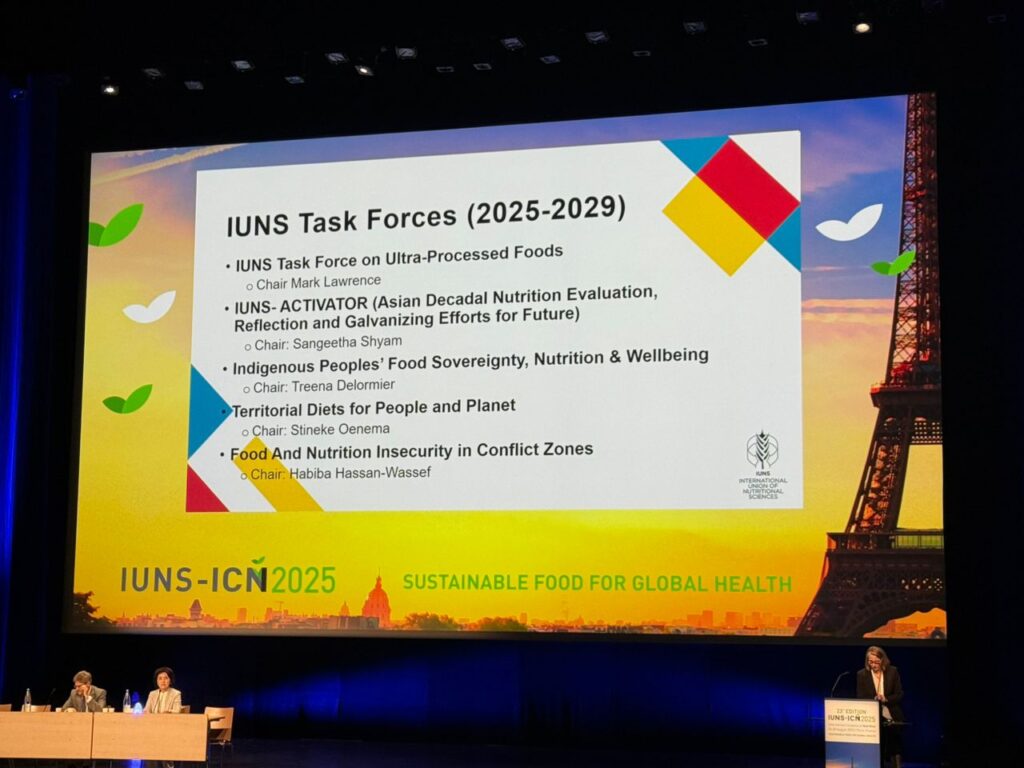
“Carrying out this study is important because Asian countries are still underrepresented in global scientific literature. It is essential to identify their needs in the field of nutrition to understand whether research in Asia is ready to face its specific challenges, especially during a nutritional transition and the growing burden of non communicable diseases,” says Sangeetha Shyam, IISPV URV researcher, involved in the IUNS ACTIVATOR project: ‘Asian Decadal Nutrition Assessment, Reflection and Activation of Efforts for the Future’.
The project team includes 26 researchers from 13 countries in Asia and Europe, with expertise in nutrition, meta research and scientific communication. Another goal of the study is to involve young researchers to ensure the relevance and long term sustainability of the proposed solutions.
A study from URV, with participation from IISPV, compares abdominal ultrasound with magnetic resonance imaging and shows the potential of this technique to detect early risk of prediabetes and metabolic syndrome in people with abdominal obesity
The distribution of body fat, especially the fat accumulated in the abdomen, is a key factor in the risk of developing metabolic and cardiovascular diseases. However, not all abdominal fat has the same impact on health: subcutaneous fat, located under the skin, does not carry the same risks as visceral fat, which is stored deeper and can come into direct contact with vital organs. Identifying which type of fat is more predominant in a person is essential to assess metabolic risk and to guide clinical interventions. In this context, a study led by researchers from the Department of Medicine and Surgery at the Universitat Rovira i Virgili (URV), with the participation of research staff from the IISPV, analysed how useful and reliable abdominal ultrasound can be for measuring visceral fat, compared with magnetic resonance imaging, which is currently considered the reference technique.
In clinical practice, the risk associated with abdominal fat is usually assessed by measuring waist circumference. However, this simple method is limited because it cannot distinguish between subcutaneous and visceral fat. Imaging techniques such as magnetic resonance imaging or computed tomography provide this information with high accuracy, but they are expensive, require specialised equipment, and are not easily available in primary care. To explore more accessible alternatives, the research team aimed to validate the use of abdominal ultrasound to characterise fat distribution. “Ultrasound is available in most primary care centres and hospitals, and with trained health professionals it allows real-time imaging at a very low cost,” explains Claudia Jiménez-ten Hoevel, researcher at the Department of Medicine and Surgery at the URV and co-author of the article.
The key question was how similar the results of ultrasound could be to those of magnetic resonance imaging when analysing abdominal fat. To answer this, the team worked with a sample of 113 adult volunteers with abdominal obesity, living in Reus and nearby areas. All participants underwent both a magnetic resonance imaging scan and an abdominal ultrasound within a short period —between three and four days— to ensure comparable results.
A valid and accurate tool
The results of the study, published in Diabetes, Obesity and Metabolism, show that visceral fat measurements obtained through ultrasound had good agreement with those obtained through magnetic resonance imaging. However, the researchers also found some limitations of ultrasound when measuring subcutaneous fat, something that previous studies had already suggested. “The main conclusion is that ultrasound can be especially useful when the goal is to identify visceral fat, which is the type most clearly linked to metabolic risk,” says Anna Pedret, researcher from the same department. This potential adds to the fact that ultrasound is easy to use for trained staff and is available in most health centres.
Visceral fat: an indicator of metabolic risk
The analysis also allowed the researchers to explore whether the amount of visceral fat measured by ultrasound could predict future metabolic problems. The results show a relationship between high levels of visceral fat and the presence of prediabetes —a condition where blood sugar levels are high but still below the threshold for type 2 diabetes— as well as metabolic syndrome —a group of risk factors that increase the likelihood of cardiovascular disease.
More specifically, the study identifies a level of visceral fat above which the risk of associated diseases increases significantly. For example, a thickness of 7.35 centimetres or more is linked to a higher risk of prediabetes, while from 5.77 centimetres there is a relationship with the probability of metabolic syndrome. These findings highlight the potential of ultrasound as an exploratory tool: “Including abdominal ultrasound in routine clinical practice, especially in nutrition and primary care, could improve risk assessment and allow more personalised interventions,” the researchers explain.
The research group Nutrició Funcional, Oxidació i Malalties Cardiovasculars (NFOC-SALUT) from the URV and the Institut d’Investigació Sanitària Pere Virgili (IISPV) continues working to promote the use of ultrasound as an affordable, fast, and easily applicable technique in clinical practice. The team is now studying the impact of abdominal fat distribution in other population groups and its relationship with different health conditions, such as cognitive function or sarcopenia. In this context, the group is carrying out new studies using abdominal ultrasound in people aged 60 to 74, with ongoing research and open participation. Interested individuals can contact the team at estudisalimentacionfocsalut@gmail.com.
Bibliographic reference: Jiménez-Ten Hoevel C, Besora-Moreno M, Queral J, Llauradó E, Valls RM, Solà R, Pedret A. Ultrasound and MRI abdominal fat distribution and its associations with metabolic conditions in adults with abdominal obesity. Diabetes Obes Metab. 2025 Dec 17. DOI: 10.1111/dom.70390. Epub ahead of print. PMID: 41403258.
This tool gathers detailed nutritional information on 850 products from 42 brands available in the main supermarkets in Spain. Its aim is to provide dietetics, nutrition, paediatrics and other health professionals with a reliable and updated source of information about the composition of these foods. This allows them to accurately assess nutrition during the first years of life and offer recommendations that promote a healthier and more sustainable diet. In addition, the results can serve as a basis for designing more effective food and regulatory policies.
According to Nancy Babio, researcher at the Human Nutrition Unit of the URV and coordinator of the project, “this database is a key step to provide health professionals with objective and evidence‑based information, in a context where the offer of commercial products for young children is growing quickly and does not always follow public health criteria”.
The results of the analysis, published in the scientific journal European Journal of Pediatrics, show worrying data. Besides confirming that only 20% of the products analysed meet all the nutritional profile and advertising criteria recommended by the WHO, it also warns that 60% of the food contains excessive amounts of sugar, and 99% of fruit purées would require a “high in sugar” warning label. In fact, none of the foods analysed should be advertised according to WHO guidelines.
The analysis also shows that 30% of the products include added sugars or sweeteners, such as honey or concentrated juices, and that none of the products meet all the WHO criteria for commercial promotion. Moreover, 98% display unauthorised claims or promotional messages.
“These results highlight the urgent need to improve regulation, both in the formulation and in the advertising of foods aimed at young children. At the moment, this is governed by a co‑regulation code (PAOS) that is not legally binding and has not worked as expected,” warns Roser Martí, president of CODINUCAT.
The Baby & Toddler Food Composition Database – InfantBase is a tool designed both for professional use and for political decision‑making.
This tool is part of the PRINUT project (Early Childhood: Nutritional Analysis and Regulation of Commercial Foods), which is aligned with public health strategies aimed at promoting healthy and safe eating during early childhood, following WHO recommendations and the PAAS (Comprehensive Plan for Health Promotion through Physical Activity and Healthy Eating) of the Government of Catalonia.
“As scientists and health professionals, we believe we have the responsibility to translate scientific evidence into effective policies that protect children’s health. We hope to receive institutional support to move forward in this direction,” concludes Babio.
The Institut d’Investigació Sanitària Pere Virgili (IISPV) held its first PostDoc Day on Tuesday, 16 December, with the aim of giving visibility to the research carried out by the Institute’s postdoctoral researchers.
The award winners of the day were Francisco Algaba Chueca, who received the First Prize for Best Short Presentation; Laia Just Borràs, who received the First Prize for Best Flash Presentation; and Bernat Ballvè Gelonch, who received the First Prize for Best Question.
A study has identified, for the first time, non-invasive biomarkers able to detect early stages of hepatic steatosis — also known as fatty liver — in children and adolescents who acquired the Human Immunodeficiency Virus (HIV) at birth. The study, published in Communications Medicine, was coordinated by researchers from the CIBER area of Infectious Diseases (CIBERINFEC) at the Joan XXIII University Hospital of Tarragona – Pere Virgili Health Research Institute (IISPV), and the La Paz University Hospital. The team also included members from Rovira i Virgili University (URV), the La Paz Research Institute (IdiPAZ), and the Autonomous University of Madrid (UAM). This work represents an important step forward in improving the diagnosis of a complication that affects around 30% of this pediatric population.

De izqda. a dcha.: Talía Talía Sainz, Anna Rull y Silvia Chafino.
Hepatic steatosis is common in people living with HIV, and its prevalence among children and young people is also close to 30%. However, non-invasive diagnostic methods used in adults do not work properly in pediatric patients. “Until now, we lacked reliable tools to detect fatty liver in young people with HIV without using invasive techniques. It was essential to find specific biomarkers that could identify the disease in its earliest stages,” explained Anna Rull and Talía Sainz, CIBERINFEC researchers from Joan XXIII University Hospital – IISPV and La Paz Hospital, who led the study.
This study used advanced metabolomic techniques to analyze blood and stool samples from 29 participants, examining circulating fats, bile acids, and intestinal bacteria. This approach allowed the detection of very precise metabolic changes that may indicate liver damage even before symptoms appear.
Among all the molecules studied, two types of triglycerides (TG54:5 and TG56:7) and the bile acid UDCA stood out for their ability to distinguish young people with hepatic steatosis from those without the disease. “The combination of triglyceride TG56:7 and bile acid UDCA greatly improved the ability to separate the two groups,” said Silvia Chafino, CIBERINFEC researcher and first author of the study.
The study also showed that total triglycerides, usually used in adults to evaluate liver function, did not show significant differences between groups in this pediatric cohort. This highlights the importance of exploring specific triglycerides.
The intestinal microbiota was also examined, given its role in transforming bile acids. Although no differences were found between groups, positive correlations were observed between UDCA and the bacterium Collinsella, known to produce this bile acid. This may explain the trends observed, according to the research team.
Finally, the integrated analysis of bile acid profiles identified a subgroup within the control population that showed a pattern similar to children with hepatic steatosis. The researchers emphasized that these results “suggest that early changes in bile acid levels may reflect an initial pathological state, even before clear clinical signs appear. This underlines their promising role in predicting hepatic steatosis, although their possible clinical use should be explored in more detail.”
Article reference: Chafino S, Tarancon-Diez L, Hurtado-Gallego J, Flores-Piñas M, Alcolea S, Olveira A, et al. Metabolomics for searching non-invasive biomarkers of metabolic dysfunction-associated steatotic liver disease in youth with vertical HIV. Commun Med. 2025;5:433.
A study led by the Universitat Rovira i Virgili has followed more than one thousand individuals with overweight or obesity and other metabolic indicators, such as hypertension or elevated glucose and cholesterol levels, over a six-year period.
Sarcopenic obesity—defined as the combination of excess body fat with low muscle mass and strength—is a risk factor for cognitive decline in older adults. This is the conclusion of a longitudinal study conducted by researchers from the Universitat Rovira i Virgili (URV) and the CatSud Biomedical Research Institute, in collaboration with other groups from the Biomedical Research Networking Centre (CIBER).
The investigation monitored 1,097 participants aged between 55 and 75 years who presented overweight or obesity and metabolic syndrome—a cluster of risk factors for heart disease and diabetes, including hypertension, high cholesterol, or elevated blood glucose. The research team examined whether individuals with sarcopenic obesity at baseline were more likely to experience deterioration in different domains of cognitive function, assessed periodically through standardized neuropsychological tests.
The Combination of Sarcopenia and Obesity: A Key Driver of Cognitive Decline
The findings reveal that participants with sarcopenic obesity experienced a greater decline in overall cognitive function after six years and showed an increased risk of subtle cognitive impairment, an early stage preceding mild cognitive impairment. By contrast, neither obesity alone nor isolated sarcopenia were associated with poorer cognitive performance, suggesting that the combination of both conditions may be responsible for a more detrimental impact on brain health.
“Ageing with an unfavourable body composition may have deeper implications than we previously thought,” explains Héctor Vázquez-Lorente, researcher at the URV Department of Biochemistry and Biotechnology and first author of the study. “Our data show that sarcopenic obesity can accelerate cognitive decline even before clinical symptoms appear,” he adds.
According to Jordi Salas-Salvadó, Professor of Nutrition at URV, ICREA Academia researcher, and senior author of the article, these results highlight the importance of early detection: “Identifying sarcopenic obesity in older adults could be crucial for anticipating cognitive trajectories and enabling early interventions that help prevent future cases of dementia.”
Public Health Implications
Sarcopenic obesity is particularly relevant in contexts with ageing populations, high levels of sedentary behaviour, and a growing prevalence of obesity. Detecting it in clinical practice could facilitate more effective interventions during the initial stages of cognitive decline: “Understanding how body composition influences brain health is essential for designing strategies to slow down age-related decline,” notes Salas-Salvadó. Furthermore, he stresses that the findings “reinforce the need to promote a healthy lifestyle that combines physical activity, balanced nutrition, and control of excess body fat to curb the rise of sarcopenic obesity.”
Reference: Vázquez-Lorente H, Paz-Graniel I, Margara-Escudero HJ, Martínez-González MÁ, Romaguera D, Urbistondo DM, Estruch R, Sánchez VM, Vidal J, Fitó M, Goñi N, Chaplin A, Zulet MA, Sacanella E, de Paz Fernández JA, Altés A, García-Gavilán JF, Konieczna J, Martínez JA, Salas-Salvadó J. Sarcopenic Obesity and Longitudinal Trajectories on Cognitive Performance and Subtle Cognitive Impairment Over 6 Years in Older Adults. J Cachexia Sarcopenia Muscle. 2025 Dec;16(6):e70158. doi: 10.1002/jcsm.70158. PMID: 41361860.
These microorganisms are essential for the product to meet the international definition of kefir established by WHO and FAO.
Around 80% of the products labelled as “kefir” in Spain do not provide information about the presence of yeasts. These microorganisms are necessary for the product to meet the international definition of kefir set by the Codex Alimentarius, prepared jointly by the World Health Organization (WHO) and the Food and Agriculture Organization (FAO). This is the conclusion of a study led by a research team from the Department of Biochemistry and Biotechnology of the Universitat Rovira i Virgili and the Pere Virgili Health Research Institute (IISPV), presented at the latest congress of the Spanish Federation of Nutrition, Food and Dietetic Societies.
Kefir is a fermented dairy food that differs from other similar products, such as yogurt, because of its mixed fermentation, which is the result of the combined action of lactic acid bacteria, acetic acid bacteria and yeasts. In the study, carried out in the summer of 2025, products labelled as “kefir” were analysed in the main supermarkets of the country, selected according to the market share report of Kantar Worldpanel, which includes national and regional chains and covers more than 56.7% of the market. The labelling of 170 drinkable and spoonable kefirs was evaluated, paying special attention to the explicit declaration of yeasts.
The results showed a great variability in the information provided by manufacturers, which, according to the research team, may cause confusion among consumers and make it difficult to correctly identify the product according to international standards. “In many cases, the name ‘kefir’ is used as a commercial claim, even though the products do not meet the international definition, which requires the presence of yeasts,” explain Lucía Iglesias-Vázquez and Nadine Khoury, researchers of the study.
The authors warn that the current European regulation on food information does not require declaring the presence of microorganisms on food labels. Moreover, in some fermented dairy products it even allows the omission of the list of ingredients, which may reduce transparency and contribute to the trivialisation of a food like kefir, which offers many health benefits.
Faced with this situation, the research team suggests that the industry should adopt clearer and more consistent labelling practices, such as explicitly indicating the presence of bacteria and yeasts. “Moving towards a harmonised European regulation that sets minimum microbiological criteria would be essential to protect the authenticity of kefir and strengthen consumer confidence through a clear list of ingredients,” say Nancy Babio and Jordi Salas, professors and researchers from the Department of Biochemistry and Biotechnology of URV, IISPV and CIBEROBN.
The PEDINUR research group at the URV and the IISPV is looking for families with babies aged 4 to 5 months and 18 months who would like to participate in the study

Developing a functional food that contributes to better intestinal and immune health in babies is the goal of GUTBABI. This project, in which the Pediatric, Nutrition, and Human Development Research Group (PEDINUR) at Rovira i Virgili University (URV) is working with the Pere Virgili Health Research Institute (IISPV), aims to understand how the gut microbiota evolves during the first months of life. To this end, the research team is looking for families with babies aged 4 to 5 months and 18 months who are interested in participating in this research. They will only have to collect a stool sample from their baby and answer some telephone questionnaires. Those interested should send an email.
The aim of the study is to develop a functional complementary food that promotes the establishment of healthy gut microbiota and strengthens the immune system of children from the earliest stages of life.
This research is a collaborative effort between public and private entities such as URV-IISPV, Fruselva (project promoter and coordinator), Leitat, i-GRAPE, and ALGEMY, with funding from the Ministry of Science, Innovation, and Universities and European ERDF funds.

Seven researchers spoke about studies in health, energy and the environment, and their impact on everyday life. This Friday afternoon and Saturday morning, a science workshop fair will take place at Corsini Square in Tarragona, the main event of the Researchers’ Night
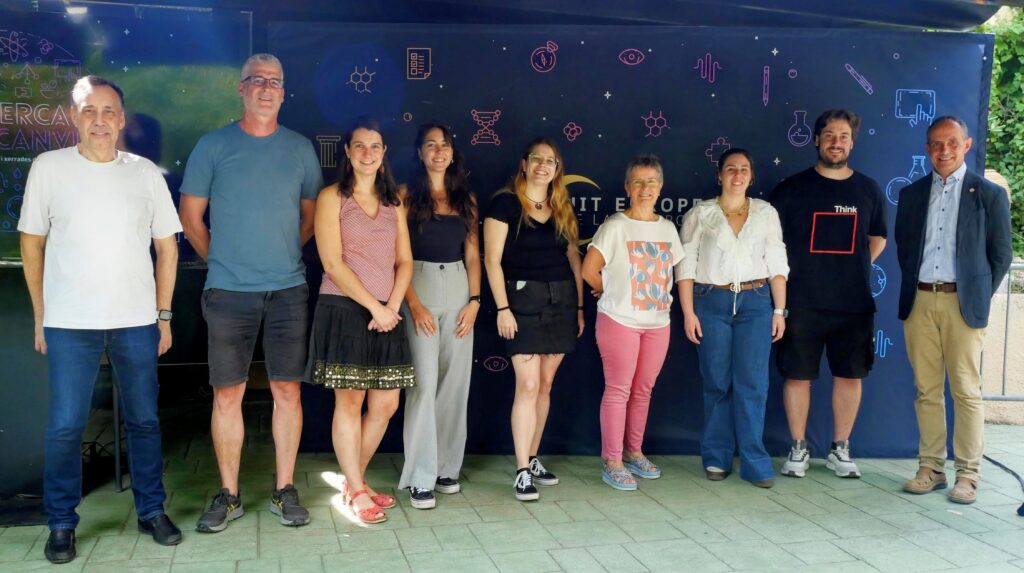
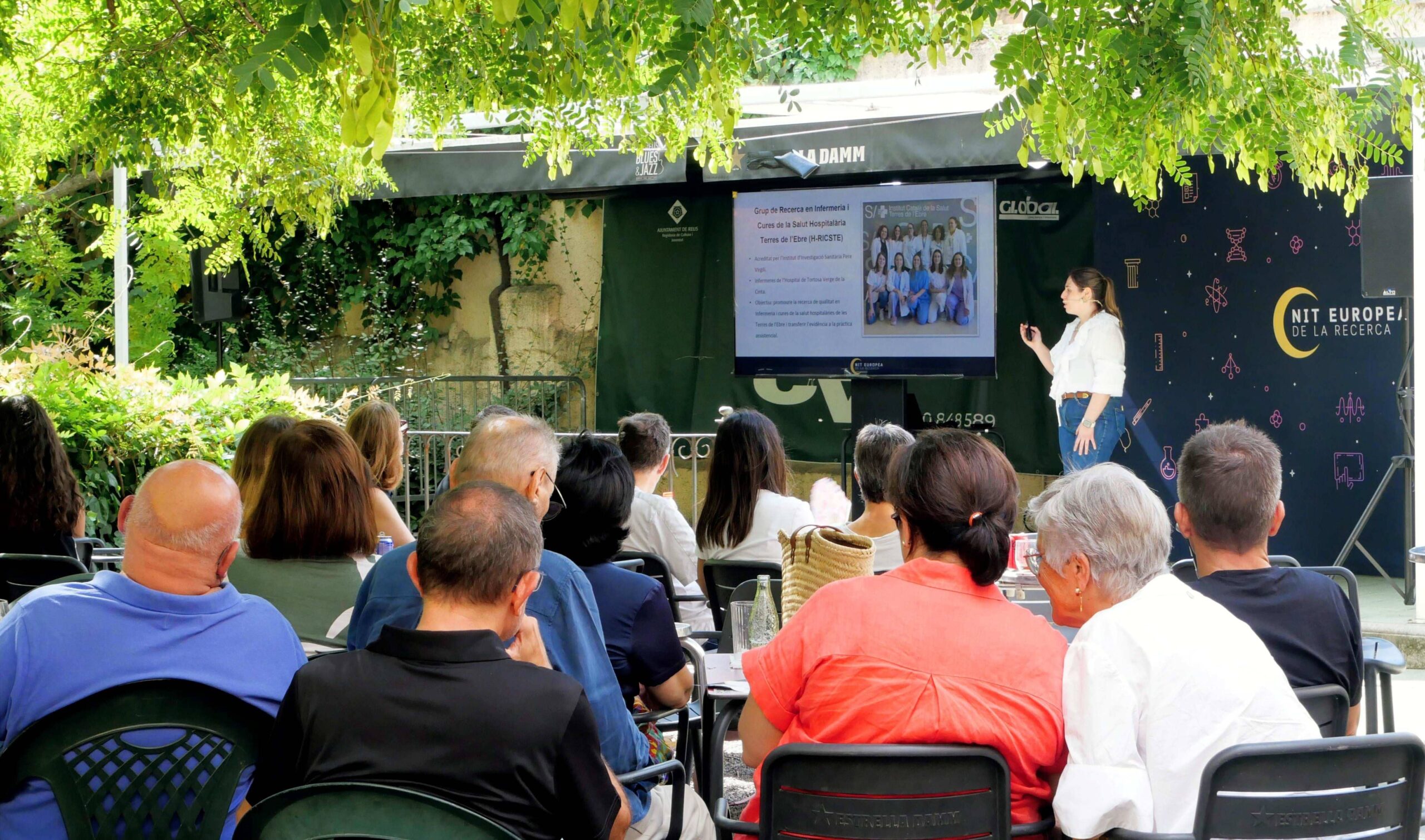
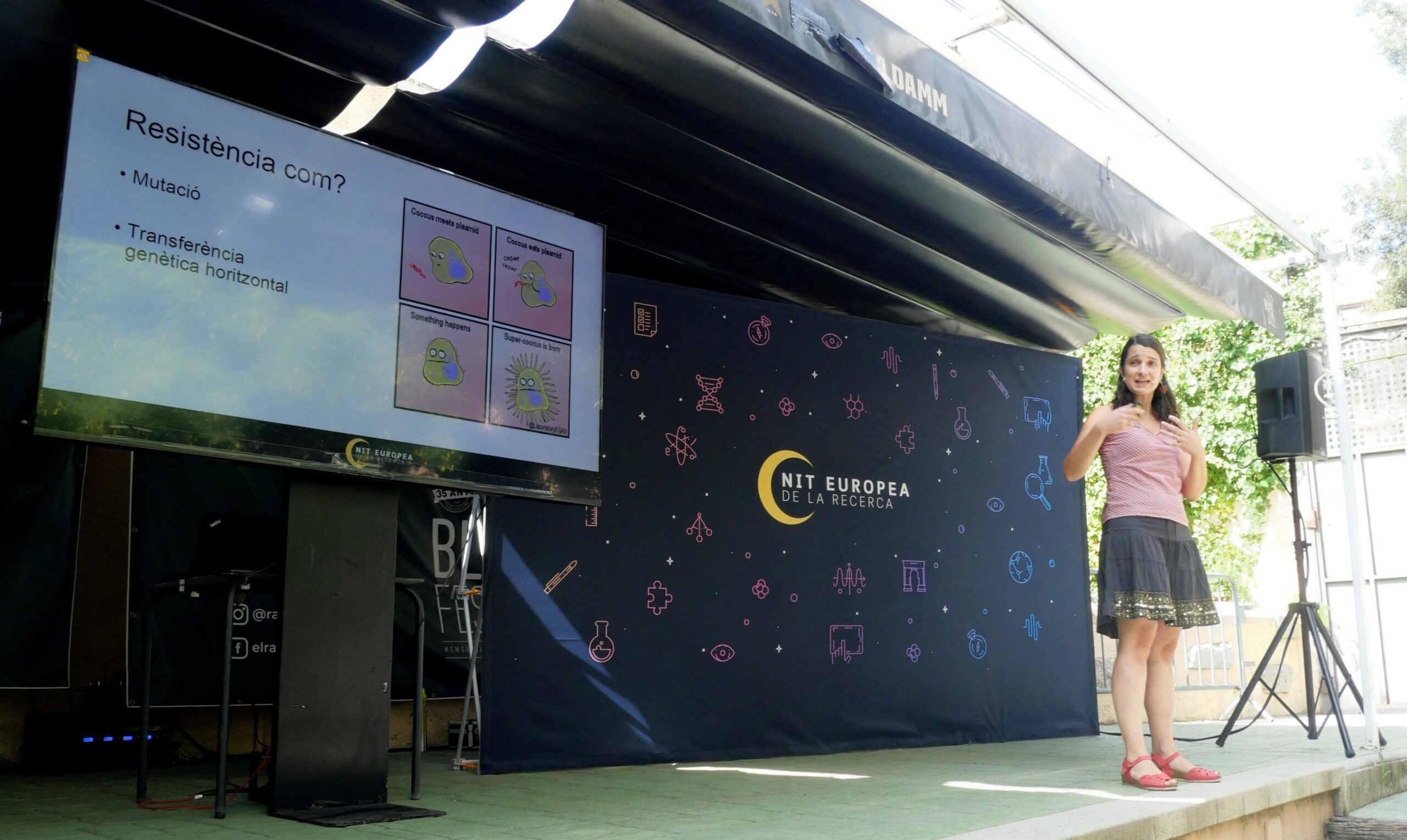
This Saturday, Racó de la Palma in Reus became a centre of scientific knowledge during the micro-talks “Research for Change”, a pre-event of the European Researchers’ Night attended by around eighty people. The event, organised by the Pere Virgili Health Research Institute (IISPV) with support from the Rovira i Virgili University (URV), brought together seven researchers from different local research centres who shared innovative advances in health, energy and environmental topics.
With a dynamic and informative format, each talk lasted ten minutes and explained, in a practical way, the results of scientific studies and how they affect people’s lives. For example, Cèlia Uroz, a researcher from URV, said that people ingest 20,000 microplastic particles per year, which is equal to one credit card per week, and spoke about their effects on the intestine. Marta Llorens, from the Catalan Institute of Chemical Research (ICIQ), explained how antibiotics work in the body and why it is important to take them carefully and follow the doctor’s instructions.
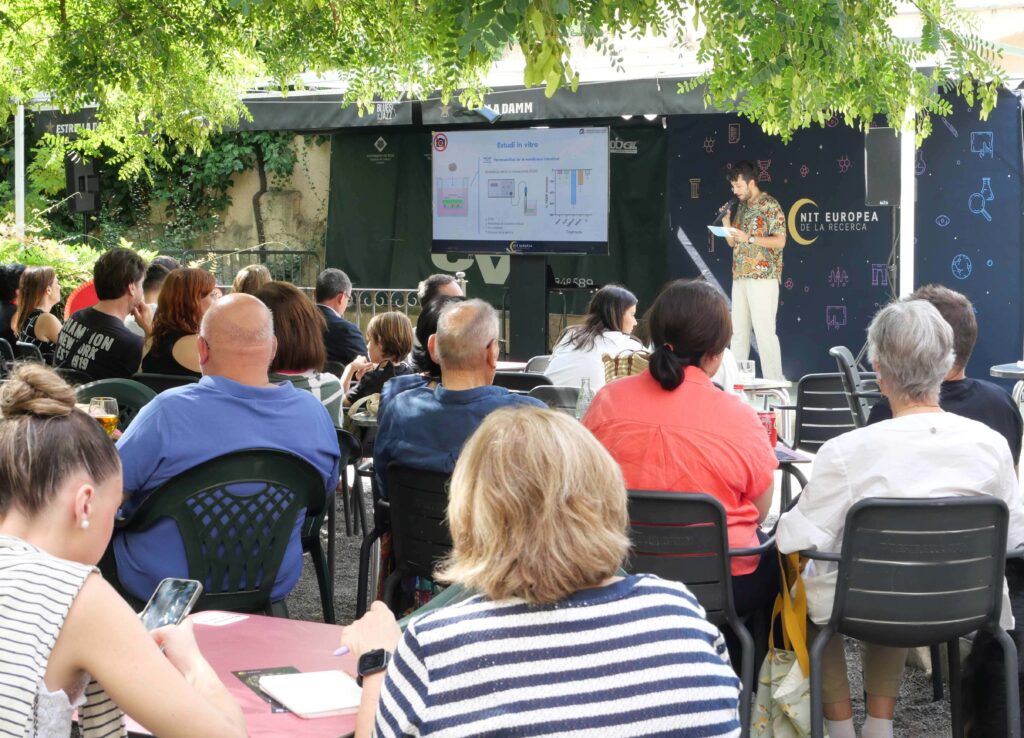
In the field of mental health, Elisabet Vilella, researcher at IISPV and the Pere Mata Institute, said that one in four people suffers from a mental health problem during their lifetime. She also talked about how mental health issues and psychiatric disorders can vary depending on age or gender.
The micro-talks highlighted the value of local research and its direct impact on daily life. There was also good interaction with the audience, who had the chance to ask questions to the researchers about the topics discussed.
The European Research Night events continue
These micro-talks were a prelude to European Research Night, an educational initiative centered around a science fair, which will take place on the afternoon of September 26 and the morning of September 27 in Tarragona’s Plaza Corsini, with the participation of more than 200 researchers from the URV and research institutes. Another preliminary activity is the family workshop “Much more than aesthetics,” on how obesity and diabetes affect the body, which will take place at the Viding Sant Jordi sports center in Tarragona.
It will also visit secondary schools in the Tarragona area through informative talks and will return once again to Terres de l’Ebre with a science workshop fair to be held on October 3 in Tortosa’s Town Hall Square.
European Research Night is a major educational event held simultaneously in more than 300 European cities with the aim of bringing science closer to the public. In the Tarragona area, the URV has been coordinating the event since 2018, with a program that attracts thousands of people every year.
European Research Night is supported by the European Union’s Horizon Europe program and the collaboration of a consortium of Catalan universities and public institutions. The full program can be found at tarragona.nitdelarecerca.cat.