

A team of researchers from the Germans Trias i Pujol Research Institute (IGTP) and the Biomedical Research Institute of Southern Catalonia (IRB CatSud, formerly IISPV) has published a study in the scientific journal Inflammatory Bowel Diseases. The study describes an experimental rat model that reproduces key features of creeping fat, the accumulation of fatty tissue around inflamed intestinal segments, which is one of the characteristic pathological signs of Crohn’s disease.
The study shows that the colitis model induced with 2,4,6-trinitrobenzenesulfonic acid (TNBS) develops hyperplasia of the mesocolic adipose tissue, presenting macroscopic, histological, immunological and molecular similarities to the creeping fat observed in patients with Crohn’s disease. According to the authors, this model can help study the role of this tissue in the progression of the disease and its complications.
The first author, Dr. Laura Clua, explains that “creeping fat is not only a growth of fatty tissue around the inflamed intestine, but it is also a metabolically and immunologically active tissue. In the model we observe a strong infiltration of immune cells and high expression of pro‑inflammatory cytokines, features that have also been described in patients.”
The results show a relationship between the severity of transmural intestinal inflammation and the development of mesocolic hyperplasia, as well as the presence of bacteria that have moved into the subserosa. According to the authors, these findings support the hypothesis that the gut microbiota may contribute to the remodeling of mesenteric adipose tissue.
Co-author Roger Suau, corresponding author of the article, highlights that “we have characterized the model at several levels —macroscopic, histopathological, immunohistochemical and transcriptomic— which allowed us to compare it with the features described in humans. About half of the animals develop mesocolic hyperplasia with characteristics similar to the creeping fat described in Crohn’s disease.”
For Dr. Carolina Serena (IRB CatSud), leader of the Inflammatory Bowel Diseases (IBODI) research group, this model may be useful to explore the mechanisms involved in the disease: “having an experimental model that reproduces this phenomenon makes it easier to study the relationship between intestinal inflammation, bacterial translocation and the remodeling of mesenteric adipose tissue.”
According to Dr. Josep Manyé, researcher in the Inflammatory Bowel Diseases Research Group (GReMII) at IGTP, “this type of experimental model can help us better understand the role of creeping fat in Crohn’s disease and explore new therapeutic approaches.”
Researchers from the Germans Trias i Pujol University Hospital, the Viladecans Hospital and CIBEREHD also took part in the study, together with other IGTP teams such as the High‑Throughput Genomics and Bioinformatics platform led by Lauro Sumoy, and the Translational Research in Liver Diseases group, led by Ramon Bartolí.
The authors state that the model offers a reproducible experimental platform to study the role of mesenteric adipose tissue in inflammatory bowel disease and to support the evaluation of new therapeutic strategies in preclinical research stages.
• The facility will be located at the Sant Joan University Hospital in Reus, in a 550‑square‑metre space
• The creation of this Unit has a total cost of 4.3 million euros, funded by the Ministry of Science, Innovation and Universities and the Next Generation funds
The Southern Catalonia Biomedical Research Institute (IRB CatSud, formerly IISPV) has already started the initial work to build its new Clinical Research Unit (CRU), in collaboration with the Hospital Universitari Sant Joan de Reus (HUSJR). This is a pioneering facility that will make it possible to carry out studies and clinical trials of medicines in all their phases, from the most experimental ones to the final stages before approval. The unit, which will occupy a 550‑square‑metre area inside the HUSJR, is funded with 4.3 million euros from the Instituto de Salud Carlos III, the public body under the Ministry of Science, Innovation and Universities that manages biomedical research in Spain, and from the Next Generation EU funds.
The new CRU will represent an important step forward for the region’s capacity to develop high‑level clinical research. Until now, phase I trials for cancer patients —the most experimental ones, which allow a medicine to be given to a patient for the first time— could only be carried out in centres linked to large hospital structures, mainly in the Barcelona area. With this new unit, patients from Camp de Tarragona, Baix Penedès and Terres de l’Ebre will have access to these studies without having to travel far from home.
The director of IRB CatSud, Joan Vendrell, highlights that the CRU “will serve more than 800,000 inhabitants and will allow citizens to have more equal access to innovative therapies, which until now were only available in centres far from the region”. Anton Benet, manager of Salut Sant Joan Reus‑Baix Camp, adds that the unit “will make it easier to attract new studies in many specialties, especially in oncology, and will strengthen the region’s ability to attract and retain talent, which is very important in a context where there is a lack of specialised health professionals”.
The CRU will also include high‑precision technology, such as a 3‑Tesla MRI scanner for advanced studies, as well as specific areas for specialised tests, monitoring and telemedicine. The project involves the three health regions, local administrations and the Rovira i Virgili University, which have taken part in defining the strategic plan. In addition, the Tarragona Provincial Council will fund the creation of the Body Composition Analysis Unit with 500,000 euros. This unit will be located inside the CRU and will include a special room for metabolic studies, unique in Spain.
The construction work is expected to continue until the end of 2026, when the unit is planned to start operating. Its launch will strengthen Southern Catalonia as a reference point in clinical research and will help improve healthcare practice and treatment opportunities for the population.

A new study by IRB CatSud and ISGlobal links teenagers’ nutrition with emotional wellbeing, cognitive performance, and long‑term decision‑making
Adolescence is a key period for brain development, and eating habits play an essential role in this process. A new study led by the Institut de Recerca Biomèdica Catalunya Sud (Southern Catalonia Biomedical Reseach Institute – IRB CatSud, formerly IISPV), includes the participation of the Barcelona Institute for Global Health (ISGlobal), a centre supported by the “la Caixa” Foundation, shows that eating ultra‑processed foods is linked to more emotional and behavioural difficulties. On the other hand, following the Mediterranean diet is associated with better executive function. The study, titled Dietary Patterns and Neuropsychological Function in Adolescents: A Cross-sectional and Longitudinal Study, has been published in BMC Medicine.
The study, carried out by the Clinical and Epidemiological Neuroscience Research Group (NeuroÈpia) at IRB CatSud. The research analyses data from a sample of 653 adolescents aged 12 to 16 from the metropolitan area of Barcelona (Smart-Snack study). It highlights the importance of nutrition during adolescence, a stage where the brain is still developing, especially the prefrontal cortex, which is involved in decision‑making and impulse control.
Eating habits were assessed using food‑frequency questionnaires that measured adherence to the Mediterranean diet and the intake of ultra‑processed foods. Neuropsychological function was evaluated through standardised computerised tests that measured attention, working memory, fluid intelligence, decision‑making, and emotional recognition. Behavioural and emotional outcomes were also assessed using validated questionnaires.
Opposite effects on the teen brain
The results show clear differences between the two eating patterns. According to Alexios Manidis, the lead researcher, a higher intake of ultra‑processed foods—such as sugary drinks, industrial pastries, and ultra-processed meats—is linked to poorer performance in emotional recognition and sustained attention. Teenagers who consume more ultra‑processed foods also report more symptoms of anxiety and depression, as well as more behavioural problems.
In contrast, greater adherence to the Mediterranean diet—rich in fruits, vegetables, legumes, and olive oil—is linked to fewer behavioural problems and better scores in executive attention.
However, in the six-month follow-up, only initial ultra-processed food consumption showed longitudinal associations with internalizing symptoms and decision-making, while Mediterranean diet adherence showed no longitudinal effects. “This may suggest that Mediterranean diet benefits require ongoing adherence, while the effects of ultra-processed foods may be more persistent,” comments Manidis, reinforcing the importance of maintaining healthy habits consistently.
Objective validation through biomarkers
The study also analysed urinary biomarkers in a subsample of 257 participants. The results show that adolescents who consume more ultra‑processed foods have fewer compounds from plant‑based foods and more compounds linked to food processing, confirming the reliability of dietary questionnaires.
Christopher Papandreou, Assistant Professor at the Hellenic Mediterranean University (Crete, Greece) and senior co-author of the study, notes that “teenagers’ diets are shifting towards ultra-processed foods” and warns that this change “may be contributing to the rise in mental health problems among young people”.
Jordi Julvez, head researcher of the NeuroÈpia Research Group at the IRB CatSud and ISGlobal, reminds us that “adolescence is a period of great brain reorganisation” and explains that diet “can influence how teenagers regulate their emotions and make complex decisions”.
The researchers conclude that future strategies, such as replacing processed snacks in schools with nutrient‑dense options like nuts and fresh fruit, could be effective in improving emotional regulation and cognitive function in the long term.
Bibliographic reference of the study
Manidis, A., Ayala-Aldana, N., Bernardo-Castro, S., Pinar-Martí, A., Galkina, P., Fernández-Barrés, S., Ramirez-Carrasco, P., Lamuela-Raventós, R. M., Papandreou, C., & Julvez, J. (2026). Dietary patterns and neuropsychological function in adolescents: a cross-sectional and longitudinal study. BMC Medicine, 10.1186/s12916-026-04658-6. Advance online publication. https://doi.org/10.1186/s12916-026-04658-6
• The IUNS ACTIVATOR project will analyse the gaps in nutrition research in Asia and how these gaps affect health policies
• The initiative aims to give a stronger voice to the Asian continent in scientific literature and to prepare it to face current nutritional challenges

A project led by the Institut de Recerca Biomèdica Catalunya Sud (Southern Catalonia Biomedical Research Institute – IRB CatSud, formerly IISPV) and Universitat Rovira i Virgili (URV) will assess the current situation of nutrition research in Asia, identifying the main gaps and needs in this field. This work is supported by a 5,000 dollar grant from the International Union of Nutritional Sciences (IUNS).
With this funding, the IUNS ACTIVATOR team will work over the next four years to evaluate nutrition research, reflect on how it matches regional priorities, and explore its impact on public health policies. The project will also focus on encouraging efforts to produce relevant scientific evidence at regional level, aiming to improve people’s health through mentoring and the involvement of key stakeholders.
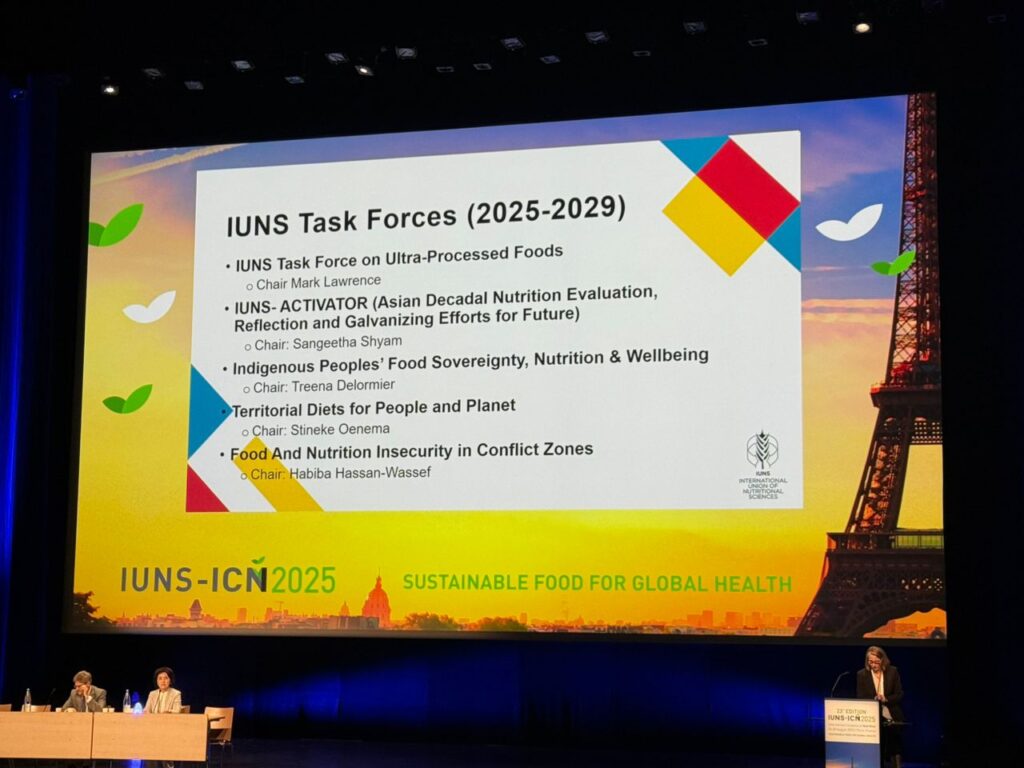
“Carrying out this study is important because Asian countries are still underrepresented in global scientific literature. It is essential to identify their needs in the field of nutrition to understand whether research in Asia is ready to face its specific challenges, especially during a nutritional transition and the growing burden of non communicable diseases,” says Sangeetha Shyam, IISPV URV researcher, involved in the IUNS ACTIVATOR project: ‘Asian Decadal Nutrition Assessment, Reflection and Activation of Efforts for the Future’.
The project team includes 26 researchers from 13 countries in Asia and Europe, with expertise in nutrition, meta research and scientific communication. Another goal of the study is to involve young researchers to ensure the relevance and long term sustainability of the proposed solutions.
The project is supported by the Diputació de Tarragona, which has granted funding of 100,000 euros to carry out the initiative
The Pere Virgili Health Research Institute (IISPV) — which from 2026 will become the Southern Catalonia Biomedical Research Institute (IRB CatSud) — is leading the XISS project to integrate biomedical research and social innovation. The aim of the project is to transform the province’s healthcare system by creating effective connections between biomedical research, technological innovation, and citizen participation, with a direct impact on people’s health and well‑being. This initiative is carried out with the collaboration of the Diputació de Tarragona, which has provided a grant of €100,000 to support its development.
The project has enabled the preliminary studies for the creation of the Southern Catalonia Clinical Research Unit (UiC), which will be located at Sant Joan University Hospital in Reus and coordinated together with the three health regions (Camp de Tarragona, Terres de l’Ebre, and Baix Penedès). This infrastructure will make it possible to develop advanced clinical trials, including phase I oncology studies, as well as multicentre research on cardiovascular, metabolic, infectious, and neurodegenerative diseases.
The UiC will make it easier for patients from rural or geographically dispersed areas to take part in studies, reducing inequalities and increasing access to therapeutic innovation. In addition, data interoperability and the implementation of telemedicine services will ensure equal opportunities in access to clinical trials.
The project covers 184 municipalities and 10 counties in the province of Tarragona, involving local and socioeconomic stakeholders (city councils, hospitals, primary care centres, the university, civil society, patient associations, biotechnology and pharmaceutical companies, business clusters, and start‑ups).
Among the results already achieved are:
An analysis of the Spanish Clinical Studies Registry shows that the province of Tarragona has a much lower concentration of clinical trials than Barcelona (21.89 per million inhabitants compared to 114.89). The XISS project addresses this need by ensuring a more balanced distribution of resources and clinical research structures across Catalonia.
The XISS project positions itself as a national reference in translating scientific knowledge into clinical practice, promoting a healthcare system focused on people, the territory, and the reduction of social and geographical inequalities.