

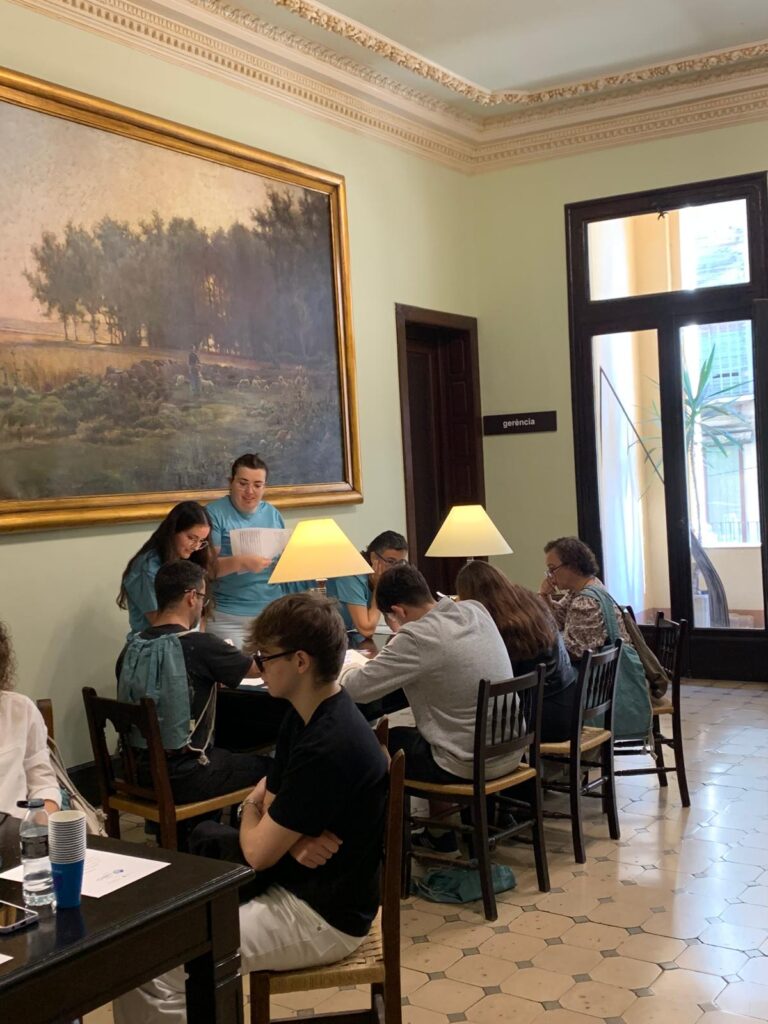
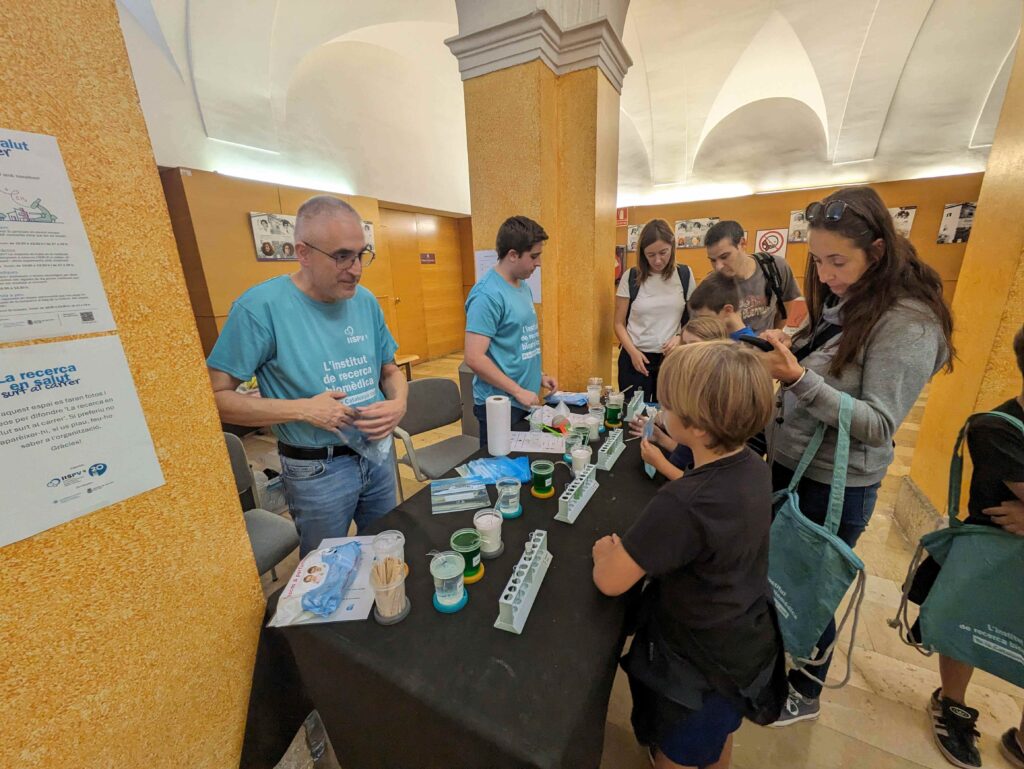
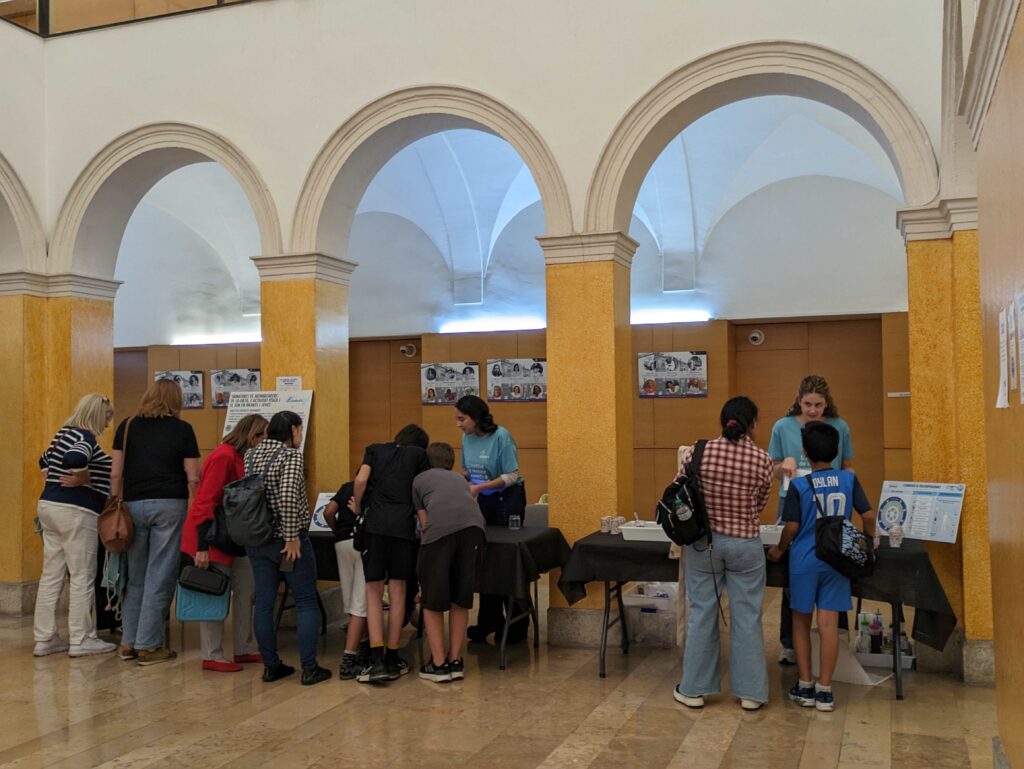
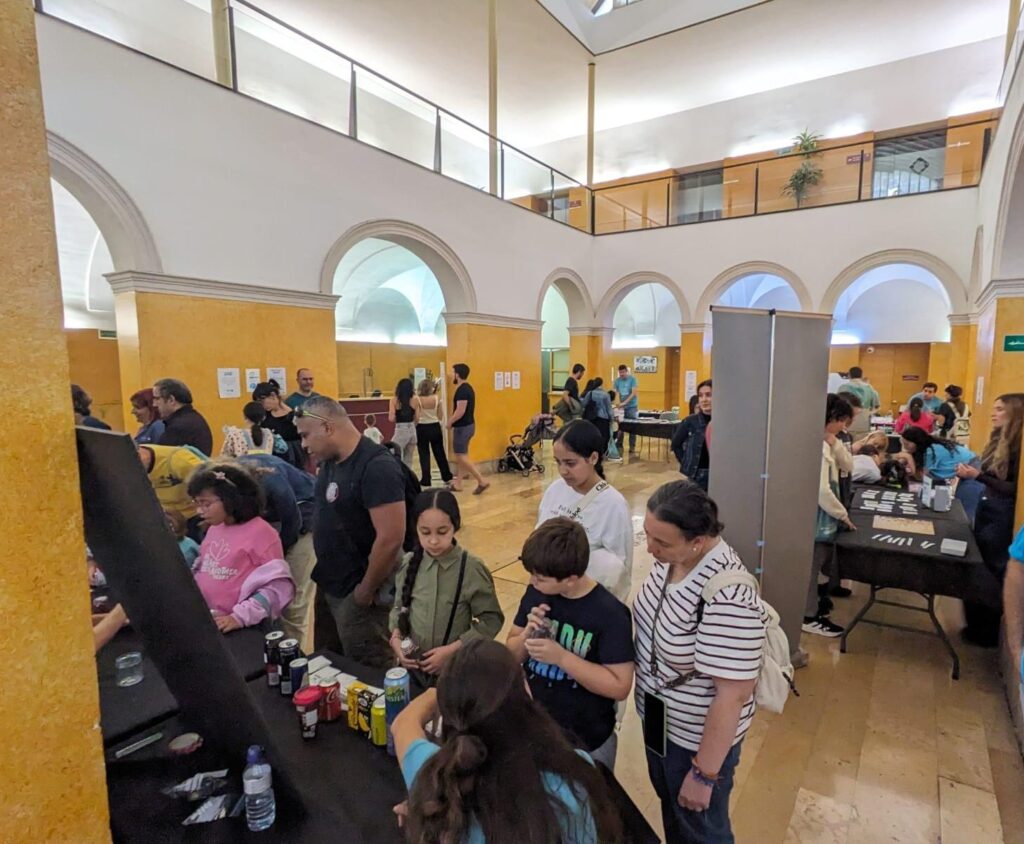
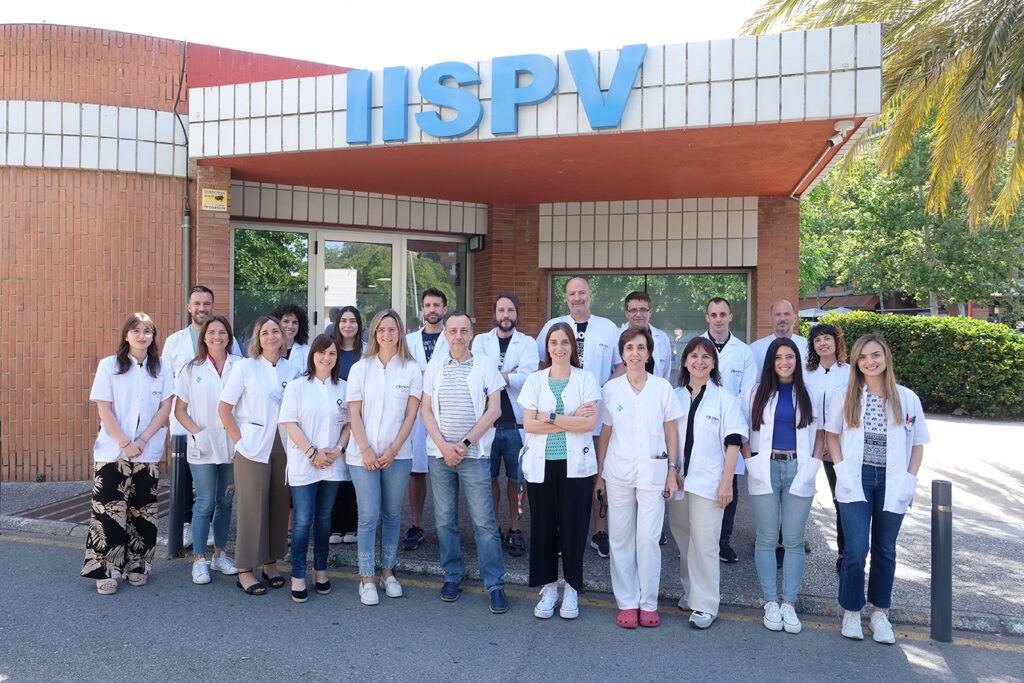
Throughout the day, researchers and technical staff from the Institute carried out activities in different parts of Reus city centre to bring science closer to the public.
The Pere Virgili Institute for Health Research (IISPV) has closed the event ‘Health Research Hits the Streets’ with a very positive outcome. The event took place all day in several locations around Reus city centre. A total of 528 people participated in the scheduled activities, all designed to make biomedical research more accessible to the general public.
The event was organised to celebrate the 20th anniversary of the IISPV. The organisers highlighted the warm reception of all the activities. In this regard, Joan Vendrell, director of the IISPV, stated: “The high level of participation shows that people are interested in learning what we do in the labs. That’s why we are considering continuing with public activities that allow us to share our work with everyone.”
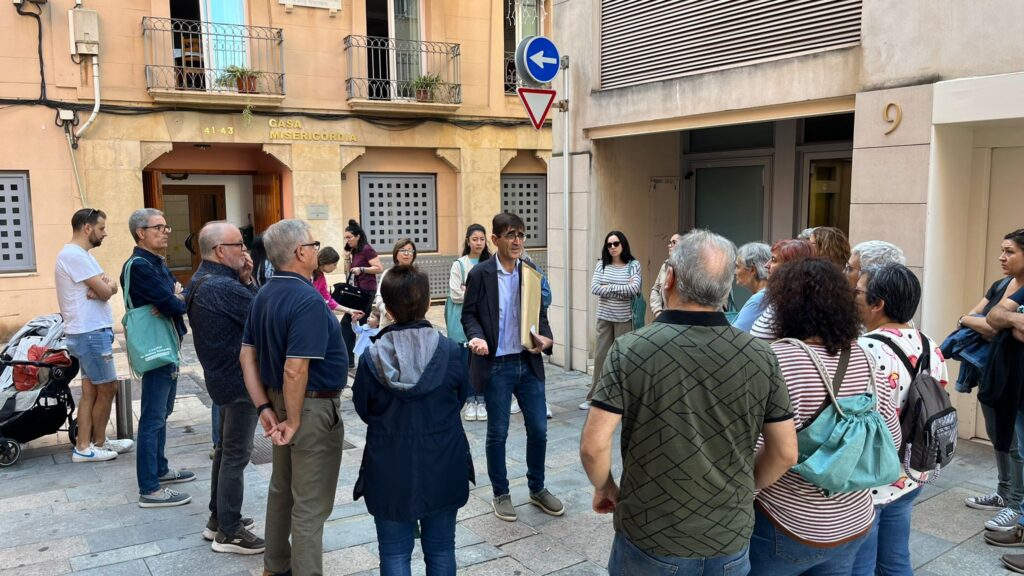
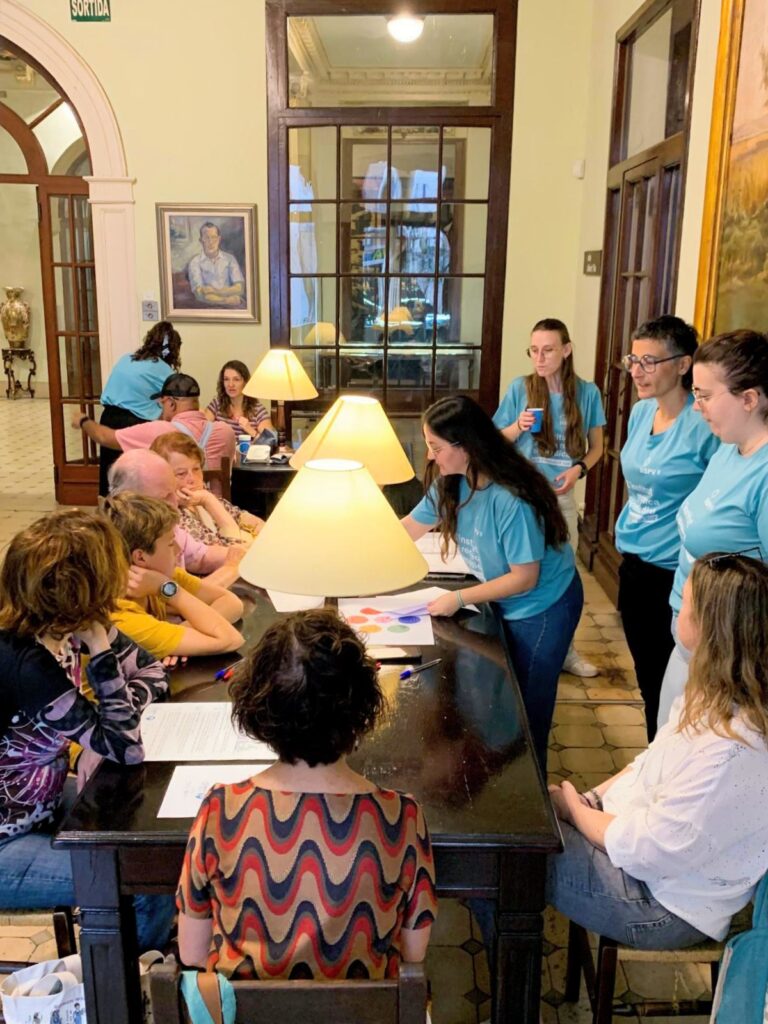
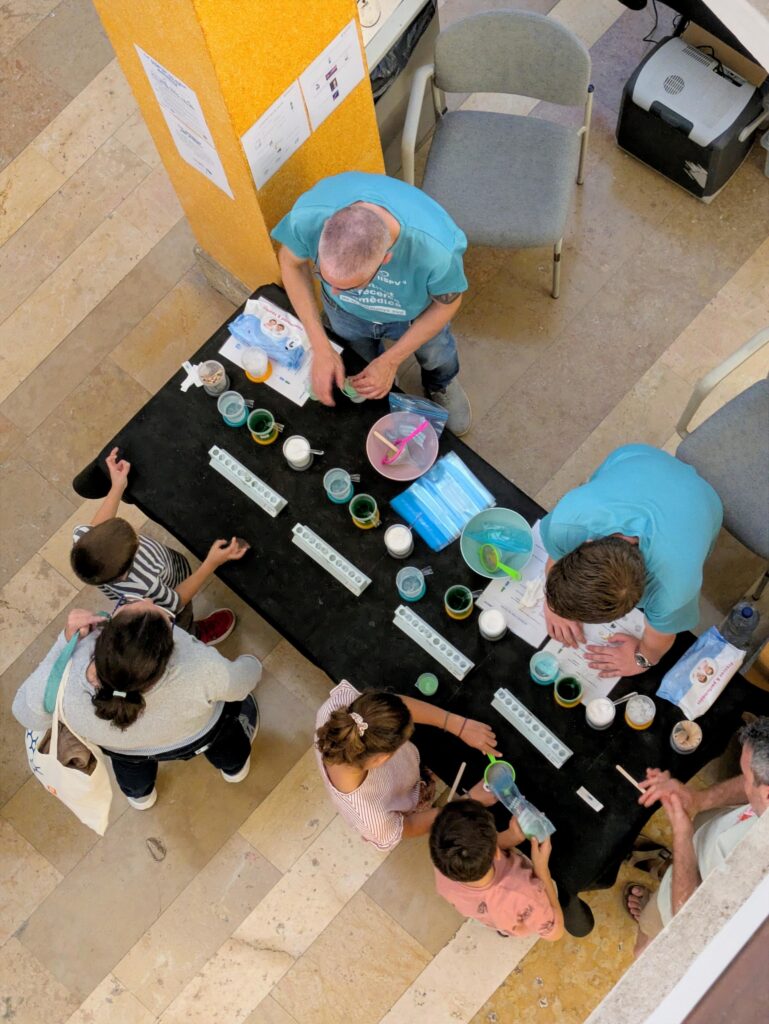
In total, four free activities were offered: an escape room, with 112 participants; a walking tour through the city centre, with 114 attendees; a space where over 77 people received medical tests; and a series of science workshops with experiments to explain how the human body works. This last activity, the only one that didn’t require prior registration, attracted more than 225 visitors.
The four activities took place in different areas of the city. The old hospital on Sant Joan Street hosted the escape room and the science workshops, bringing back its scientific role for one day. The medical tests were carried out at the Centre de Lectura, a popular meeting place for locals. Finally, the walking tour passed through streets such as Hospital Street, Santa Anna Avenue and Ample Street, where participants learned about buildings historically linked to health.
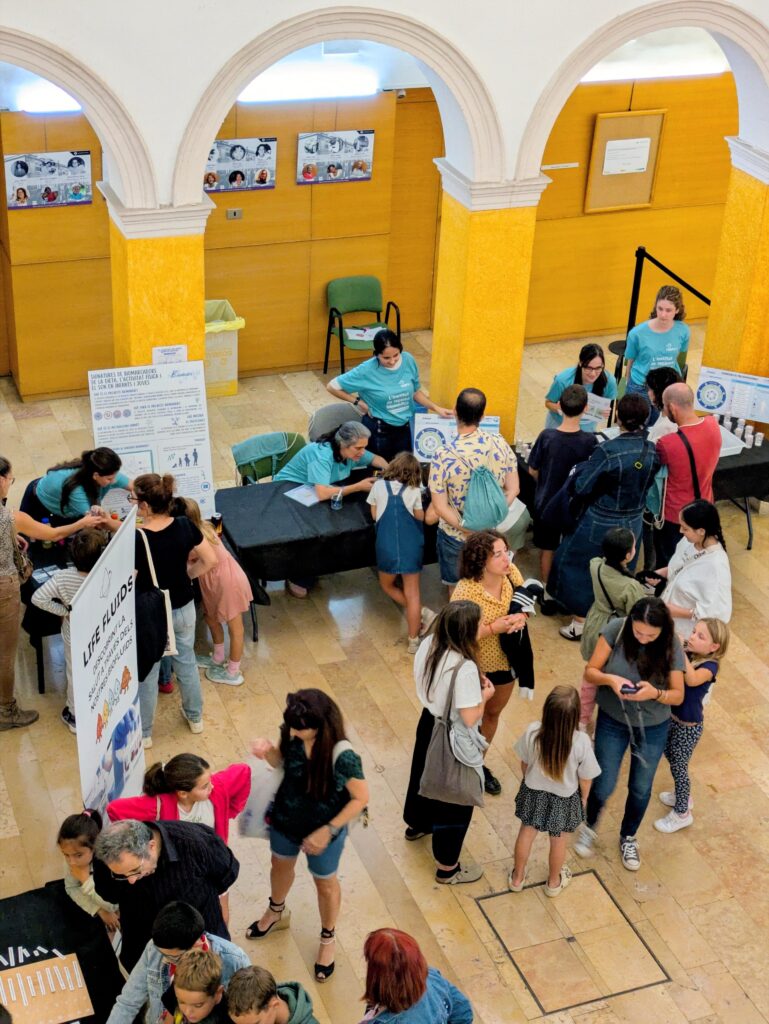
Around forty researchers and technical staff from the IISPV made this event possible. “These outreach activities are enriching for everyone involved. On one hand, they give people the chance to learn about health research directly from those working in laboratories. On the other hand, they allow us to understand people’s concerns and respond to them,” explained the director of the IISPV. The Reus City Council and the Centre de Lectura supported the initiative and helped promote the biomedical research carried out in the region, which is constantly developing new projects and studies to improve people’s health.
The 20th anniversary of the IISPV
“Health Research Hits the Streets” is one of several public activities organized to celebrate the 20th anniversary of this Institute, which has been working in the southern Catalonia area for the past 20 years. Throughout 2025, a series of events have been planned to explain not only what the IISPV does, but also how important and relevant biomedical research is for people’s lives.

“Health Research Hits the Streets” is one of several public activities organized to celebrate the 20th anniversary of this Institute, which has been working in the southern Catalonia area for the past 20 years. Throughout 2025, a series of events have been planned to explain not only what the IISPV does, but also how important and relevant biomedical research is for people’s lives.
The anniversary celebration will end on 3 December with an institutional event at the Bartrina Theatre in Reus. During the event, the Institute’s new image will be presented, and there will be a talk by the well-known communicator and writer Elsa Punset, who specialises in leadership, creativity and team management. Registration for the event will soon be available on the IISPV website, and it will be chaired by the Minister of Research and Universities of the Government of Catalonia, Núria Montserrat.
Studying fatty acids after meals may provide new insights into the metabolic impact of diet and fasting
Losing weight can be challenging, especially when it requires following a strict low-calorie diet over time. A study with mice suggests that intermittent fasting—taking regular breaks from eating—can improve metabolism, even when the diet is high in fat. In fact, the benefits observed are similar to those linked to healthy eating. This study, led by the Institut d’Investigació Sanitària Pere Virgili (IISPV) and the Universitat Rovira i Virgili (URV), was published in eBiomedicine.
Although the animals did not lose weight through intermittent fasting, researchers found improvements in blood glucose control, insulin response, and lipid profile—key indicators often affected by obesity. When intermittent fasting was combined with a healthy diet, the positive metabolic effects increased, and a significant reduction in body weight was observed.
The study not only focused on blood parameters but also examined how different dietary interventions affected fat tissue and the liver. “After four weeks of intermittent fasting, obese mice showed significant protection both metabolically and in these tissues, even with a high-fat diet,” explains Dr. Victòria Ceperuelo-Mallafré, Ramón y Cajal researcher at URV and member of the DIAMET research group (Diabetes and Associated Metabolic Diseases) at IISPV – URV – CIBERDEM.
“However, switching to a balanced diet proved to be the most effective strategy for weight loss. In addition, combining intermittent fasting with a healthy diet had a synergistic effect that was especially beneficial for improving glucose tolerance,” adds Dr. Sonia Fernández-Veledo, head of the Metabolic Diseases and Nutrition Area at IISPV and leader of the DIAMET research group.
Another innovative part of the study was the analysis of gut microbiota and its key products, especially short-chain fatty acids. These molecules, found in blood and stool, may play an important role in regulating the body’s metabolic processes. The results showed that combining intermittent fasting with a healthy diet led to deeper changes in the composition of gut microbiota. Specifically, there was an increase in the species Alistipes finegoldii, which may be linked to better blood glucose regulation. This finding was confirmed both in the animal model and in a group of people with obesity who followed a low-calorie Mediterranean diet for six months. Although the results are promising, further studies are needed to confirm this connection.
Regarding short-chain fatty acids, researchers found that their post-meal regulation is altered in obesity. Both intermittent fasting and switching to a healthy diet help restore this mechanism. Therefore, measuring these compounds not only during fasting but also after eating may offer valuable information for a better understanding of metabolic function.
Although the findings are still preliminary and more human studies are needed, this research opens the door to designing personalized dietary strategies that focus on improving metabolic health, beyond simply losing weight.
Bibliographic reference
Ceperuelo-Mallafré, V., Rodríguez-Peña, M. M., Badia, J., Villanueva-Carmona, T., Cedó, L., Marsal-Beltran, A., … & Vendrell, J. (2025). Dietary switch and intermittent fasting ameliorate the disrupted postprandial short-chain fatty acid response in diet-induced obese mice. EBioMedicine, 117.
Around twenty researchers from the institute opened the biomedical research laboratories at the Hospital Universitari Sant Joan de Reus to the public
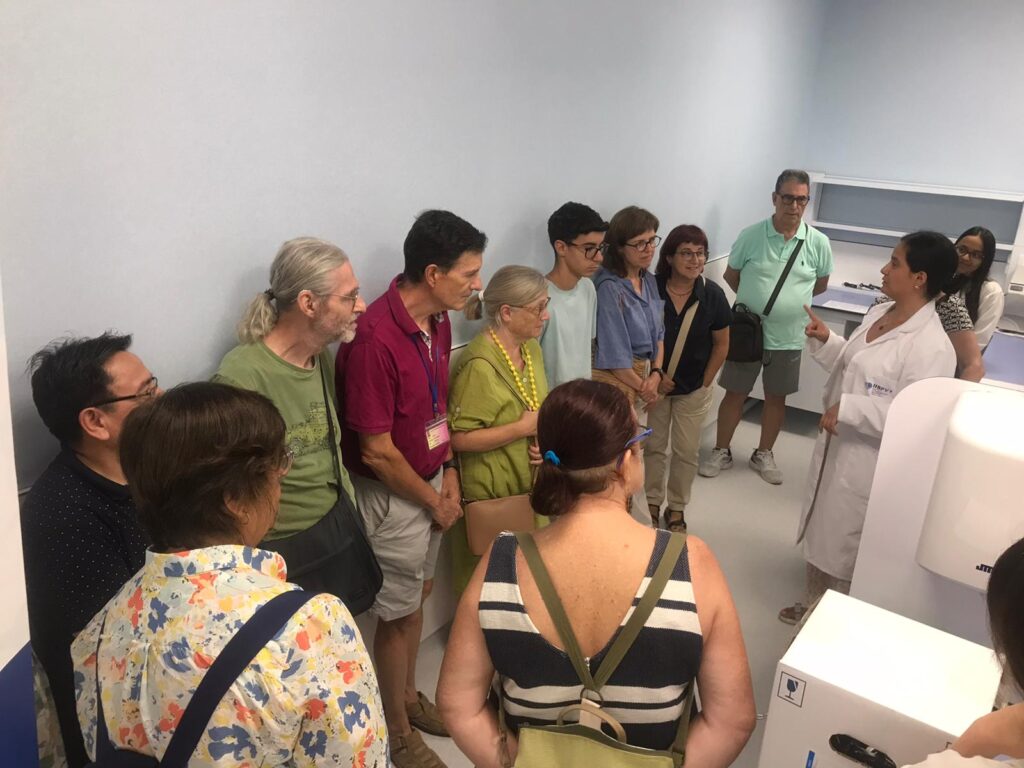
On Tuesday, July 22nd in the morning, the Institut d’Investigació Sanitària Pere Virgili (IISPV) held the first of several commemorative activities to mark its 20th anniversary: an open day. Around twenty researchers from the institute welcomed members of the public into the biomedical research laboratories located at the Hospital Universitari Sant Joan de Reus. The event included two sessions, which gathered nearly forty participants.
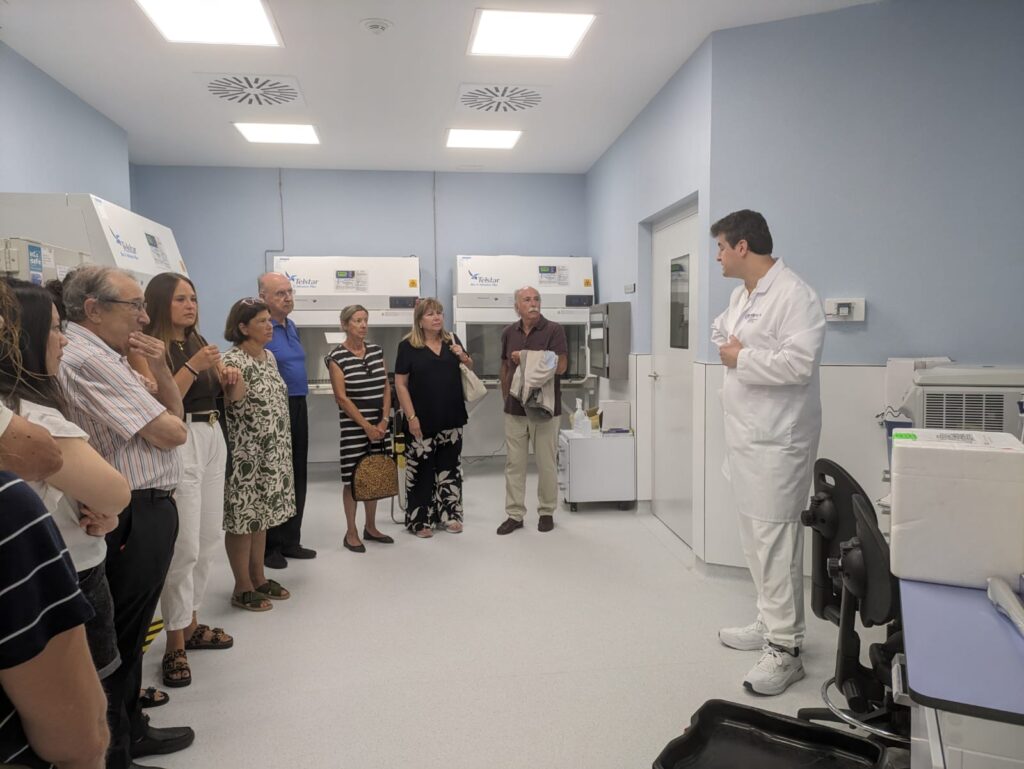
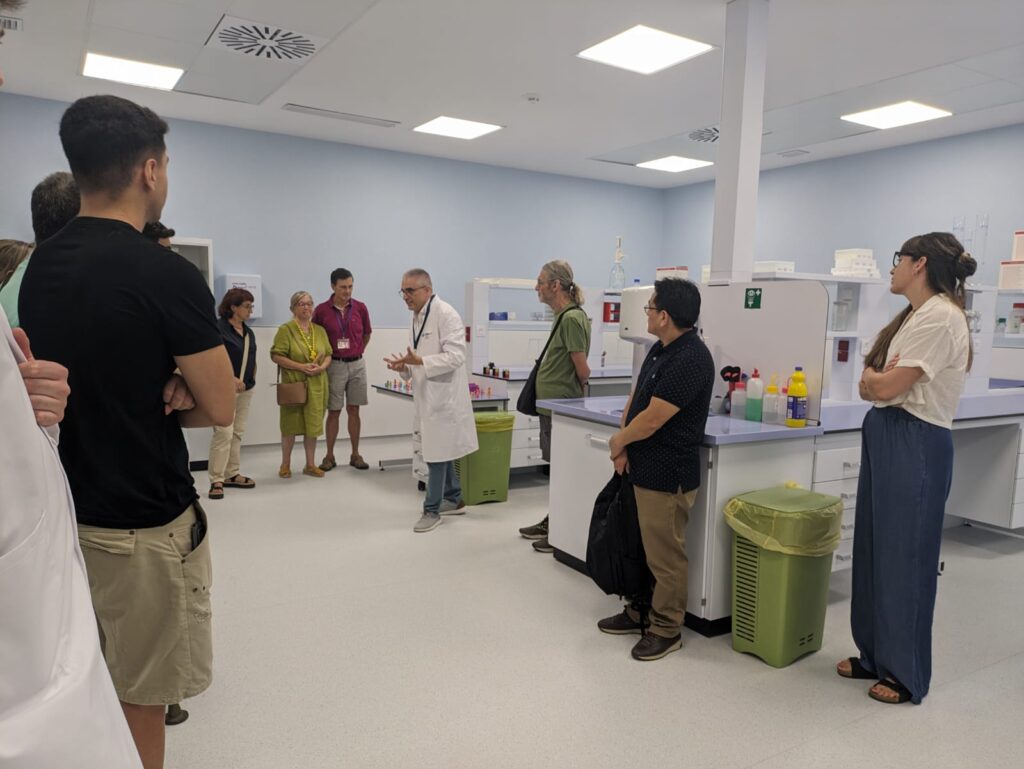
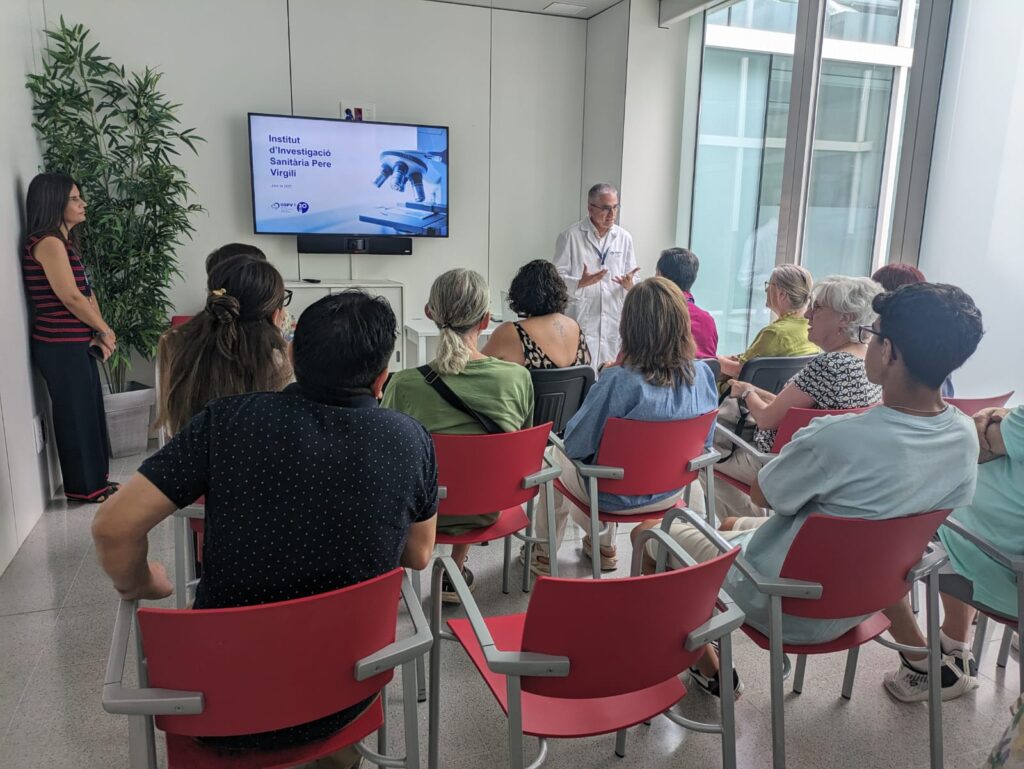
According to Lluís Gallart, director of the IISPV Biobank and head of platforms, “Visits like this help us show the work we do in the laboratories, which contributes to better diagnosis and treatment of diseases. These open days are also a way to recognize the work carried out over the past two decades by professionals dedicated to research through the IISPV, many of whom are also part of the Hospital Universitari Sant Joan de Reus, Joan XXIII in Tarragona, Verge de la Cinta in Tortosa, Institut Pere Mata and Universitat Rovira i Virgili.”
During the visit, researchers presented some of the current research lines at the IISPV. The tour was divided into eight stations, each led by members of research groups and scientific support platform coordinators.
A diet rich in omega-3 foods during pregnancy has beneficial effects on the brain development of children and adolescents
The consumption of nuts during pregnancy, especially walnuts, benefits the neuropsychological development of children and adolescents, according to a study by the Institut d’Investigació Sanitària Pere Virgili (IISPV), titled Maternal prenatal nut and seafood consumption and child neuropsychological function from 4 to 15 years of age: a population-based cohort study, and published in The American Journal of Clinical Nutrition. The study, led by the Clinical and Epidemiological Neuroscience Research Group (NeuroÈpia) of the IISPV, includes contributions from Barcelona Institute for Global Health (ISGlobal), a centre supported by the “la Caixa” Foundation, and the California Walnut Commission, and is also included in the INMA project. This observational study focuses on the influence of maternal diet during gestation, a critical period for early brain development, and also highlights adolescence as another key stage when several brain regions continue to mature.
A sample of 1,737 mother-child pairs from four Spanish regions was studied: Asturias, Guipúzcoa (Basque Country), Sabadell (Catalonia) and Valencia. Maternal diet was analyzed using a food frequency questionnaire, while the children’s neuropsychological function was assessed through standardized tests measuring reaction time and variability (attention), working memory, and fluid intelligence.
The research took into account the consumption of fish—especially fatty fish—which, like walnuts, contains high levels of omega-3 fatty acids. These healthy fats have been shown to have a positive impact on the brain development of children and adolescents, according to the study’s findings. However, the researchers leading the project caution that fatty fish consumption should be approached carefully, and the recommended portions established by the WHO, via the European Food Safety Authority (EFSA) and the Spanish Agency for Food Safety and Nutrition (AESAN), should not be exceeded. Ariadna Pinar Martí, the study’s lead researcher, notes that high consumption of walnuts and fatty fish is associated with improvements in attention, working memory, and fluid intelligence. She adds that the omega-3 fatty acids present in these foods partially contribute to this relationship with neuropsychological development, particularly regarding attention.
Impact on risky decisions
The NeuroÈpia Research Group continues to investigate how maternal consumption of nuts and fish influences the brain development of offspring. They have also focused on the acquisition of more complex skills, such as risky decision-making in eleven-year-old children. In this regard, the article Maternal nut and fish consumption during pregnancy and child risky decision-making at 11 years old explores whether a maternal diet that includes these foods is associated with certain cognitive functions and behaviors, such as impulsivity. This study, led by researcher Marina Ruiz Rivera, has been published in the European Journal of Child and Adolescent Psychiatry. It emphasizes that the consumption of nuts and fish during pregnancy may have an effect on complex brain functions, such as decision-making.
The final sample consisted of 1,386 preteenagers and their mothers, with 1,081 participants specifically assessed for decision-making. According to Ruiz Rivera, higher maternal consumption of nuts during the first trimester of pregnancy was associated with a lower score in risky decisions in eleven-year-old children. Moderate fish consumption was associated with a higher impulsivity index in children of this age. Therefore, this study “adds to the evidence on the importance of nutrition during pregnancy for complex neuropsychological functions”. The study also emphasizes that “the available data are limited to eleven years of age, a stage in which the prefrontal cortex is not fully developed”, and therefore “a definitive causal relationship cannot be established”.
Looking ahead to future research in the field of nutrition, the NeuroÈpia Research Group highlights the importance of incorporating neuroimaging techniques. Applied specifically to the cohort studied in the two projects, “it will open up new scenarios for novel measurements, represent an innovation in this field, and allow us to examine whether diet during pregnancy influences not only cognitive functions but also brain structure”, emphasizes Jordi Julvez, head of the research group behind the two studies.
Bibliographic reference of the first study:
Pinar-Martí A, Ayala-Aldana N, Ruiz-Rivera M, Lertxundi N, Subiza M, González-Safont L, Vioque J, Riaño-Galán I, Rodríguez-Dehli C, Iglesias-Vázquez L, Arija V, Fernández-Barrés S, Romaguera D, Pascual-Rubio V, Fabregat-Sanjuan A, Healy D, Basagaña X, Vrijheid M, Guxens M, Foraster M, Julvez J. Maternal prenatal nut and seafood consumption and child neuropsychological function from 4 to 15 years of age: a population-based cohort study. Am J Clin Nutr. 2025 May 5:S0002-9165(25)00249-7. doi: 10.1016/j.ajcnut.2025.04.032. Epub ahead of print. PMID: 40334748.
Bibliographic reference of the second study:
Ruiz-Rivera M, Pinar-Martí A, Babarro I, Ibarluzea J, Vioque J, Llop S, Fernández-Somoano A, Tardón A, Pascual-Vicente R, Fabregat-Sanjuan A, Fernández-Barrés S, Romaguera D, Guxens M, Julvez J. Maternal nut and fish consumption during pregnancy and child risky decision-making at 11 years old. Eur Child Adolesc Psychiatry. 2025 Jun 10. doi: 10.1007/s00787-025-02750-5. Epub ahead of print. PMID: 40493090.
For two days, international experts have analyzed the comprehensive capacity of the center to achieve European standard
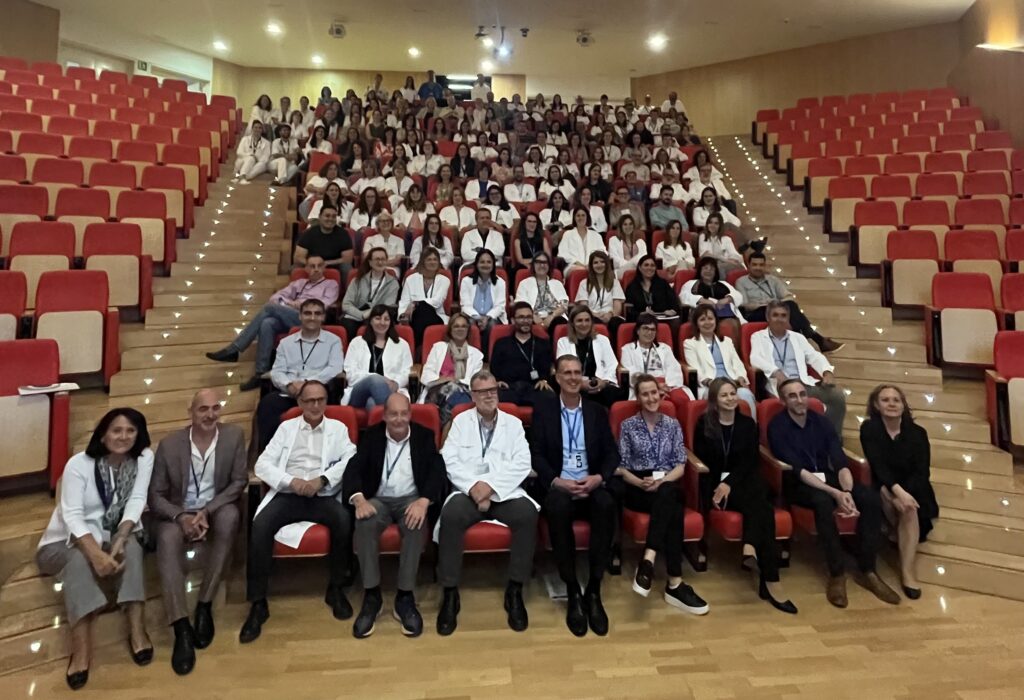
A team of six auditors from the Organization of European cancer Institutes (OECI) and the coordinator of the OECI program of our center have carried out the face-to-face audit of the accreditation process of the Sant Joan University Hospital in Reus and the IISPV to be recognized as a European Cancer Center. For two days, Thursday, 15 and Friday, May 16, external auditors of different nationalities and professional profiles have participated in an exhaustive program of presentations, interviews and visits aimed at specific teams and people throughout the center. Once the evaluation was completed, Brend Kremer, responsible for the audit team, presented the preliminary results and noted the strengths of the institution as well as the opportunities for improvement, and announced that the most exhaustive report of the process would be known in October. El Kremer also thanked the good reception that the entire team of auditors had received, as well as the involvement of all the professionals who have participated in this process, which addresses aspects such as attendance, research, teaching, innovation or training.
Two years of work
The different work teams of the Hospital management, together with teams from the Institute of Oncology of Southern Catalonia (IOCS) and the Pere Virgili Health Research Institute, have been working for two years in a previous phase of documentation collection, which has allowed to pass the first stage of accreditation, which is focused on self-evaluation. Subsequently, the second stage of accreditation began, which has culminated in face-to-face auditing.
However, this is not yet the final point, but involves designing an improvement plan in which the Hospital has already begun to work and which must be drafted in December 2025. From then on, with all the information received and what is required of us, the highest-ranking accreditation and designation committee of the ICAO will give the final report in February 2026. One year after obtaining the certificate, the center must submit a written report with the progress of the objectives, actions and the schedule established in the improvement plan. It is not until after five years that a reaccreditation takes place.
The OECI is the most prestigious organisation that carries out this accreditation and is currently made up of more than 100 centres throughout Europe.