
The Institut d’Investigació Sanitària Pere Virgili (IISPV) and La Lliga Contra el Càncer de les Comarques de Tarragona i Terres de l’Ebre have signed a framework agreement that strengthens the commitment of both institutions to research, prevention and public awareness in the field of health and the fight against cancer. The signing takes place on the eve of World Cancer Day, which is celebrated tomorrow, 4 February, a day that highlights the importance of joining efforts to reduce the impact of this disease on society.
The agreement creates a stable cooperation framework lasting four years, renewable annually for another four years. This will allow the development of research projects and activities aimed at improving the health and quality of life of people affected by this disease. In this context, La Lliga will provide yearly financial support to the IISPV for research projects and cancer prevention initiatives. The first planned contribution is 68,000 euros.
Joan Vendrell, director of the IISPV, stated that this collaboration “is an opportunity to strengthen cancer research carried out in our territory and to move forward with projects that have a direct impact on people’s health”. He added that “working together with an organisation with such a strong background in prevention and awareness, like La Lliga Contra el Càncer, allows us to make significant progress in the cancer research we do at our Institut”.
On the other hand, Agustina Sirgo, president of La Lliga Contra el Càncer de les Comarques de Tarragona i Terres de l’Ebre, emphasised that “research is one of the most powerful tools to improve the lives of people living with cancer. This agreement helps us join forces with a leading centre like the IISPV and ensures that the support of local citizens becomes progress that directly benefits the patients in our counties. Supporting research is a responsibility we take on with pride and determination. We want every patient and every family to know that they are not alone, and that we will continue working so that the future can be better.”
The alliance between the two institutions also includes public awareness actions aimed at fostering healthy habits and promoting early detection, which is one of the key factors in improving cancer survival.
The Institute of Biomedical Research of Southern Catalonia (IRB CatSud, formerly IISPV) joins once again the celebration of the International Day of Women and Girls in Science, held this Wednesday, February 11, with the aim of making female talent visible, acknowledging their role in the field of biomedical research, and fostering scientific vocations among younger generations.
IRB CatSud currently has a workforce made up mostly of women, who represent approximately 68% of all professionals linked to the Institute—clear evidence of the strong female presence across research, technical, and administrative activities.
In parallel, regarding the gender composition of governance and advisory bodies—such as the Executive Advisory Committee and the Social Council—women represent 52%. This reflects their representation in these governance spaces, in line with the criteria of balance and representativeness that guide the Institute’s operations.
IRB CatSud also has a significant presence of women in its research teams. Female researchers represent an essential part of the scientific staff and lead competitive projects in fields such as mental health, nutrition, metabolic diseases, oncology, and environmental health.
These data show that more and more women are working in the scientific field. “Women’s brains function differently from men’s—not better or worse—but it is good and necessary for the world of science to benefit from the way the female brain analyzes problems and seeks solutions,” says Elisabet Vilella, Deputy Director of IRB CatSud and researcher in the field of genetics and mental health.
On this February 11, IRB CatSud aims to strengthen its commitment to equal opportunities and the promotion of female talent, valuing the careers of its female researchers and helping to create new role models for future scientists.
The grants, with more than €270,000 in funding, support advanced projects in personalized radiotherapy and artificial intelligence. A third grant is aimed at specialized training in molecular oncology
The Spanish Association Against Cancer in Tarragona presented on Thursday, 19 February, the three grants awarded for the 2025 call. These grants show a strong commitment to cancer research and to the goal of reaching a 70% cancer survival rate by 2030.
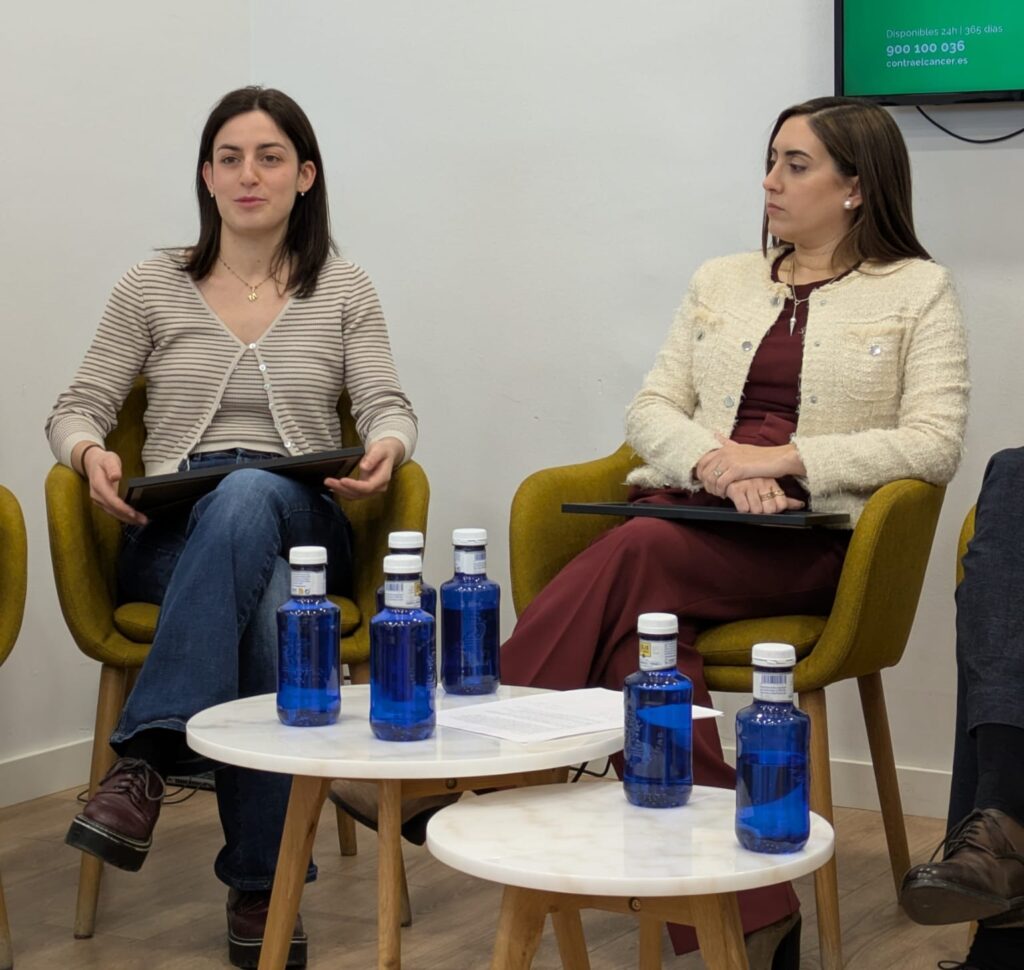
Two of the funded researchers work at the Institute of Biomedical Research of Southern Catalonia (IRB CatSud, formerly IISPV). They lead projects that combine technology, innovation, and clinical impact: Dr Bárbara Antonia Malavé and Marta Canela.
Dr Bárbara Antonia Malavé has received the Clinic Junior Grant AECC 2025, supporting a project focused on improving radiotherapy treatment for prostate cancer. The project uses advanced biomarkers and artificial intelligence to adapt treatments to each patient. The grant provides €154,000 over four years.
Also at IRB CatSud, Marta Canela has received the AECC Tarragona Predoctoral Grant 2025. Her research combines medical imaging and blood analysis to predict how patients with lung cancer will respond to radiotherapy. The grant provides €110,660 over four years.
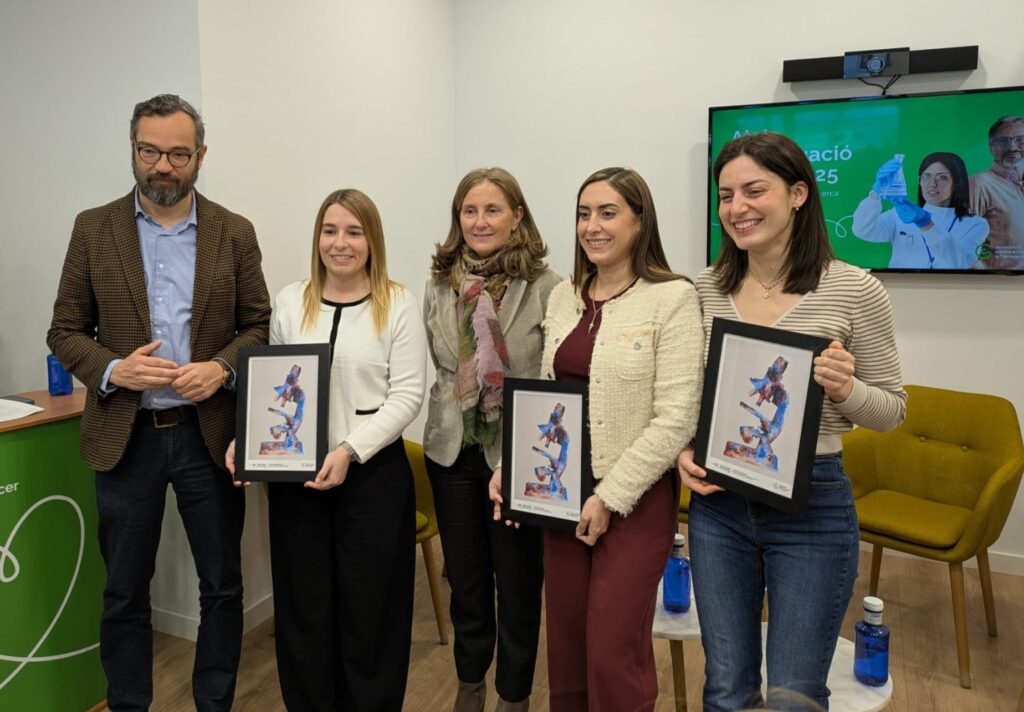
The third grant has been awarded to Maria Guirro, who will receive the Clinic Training Grant AECC 2025. The €7,100 contribution will allow her to complete the Master’s Degree in Molecular Oncology (MOM).
This action is part of a series of meetings that the Departament is carrying out in CERCA centres, with the aim of learning about their situation first-hand
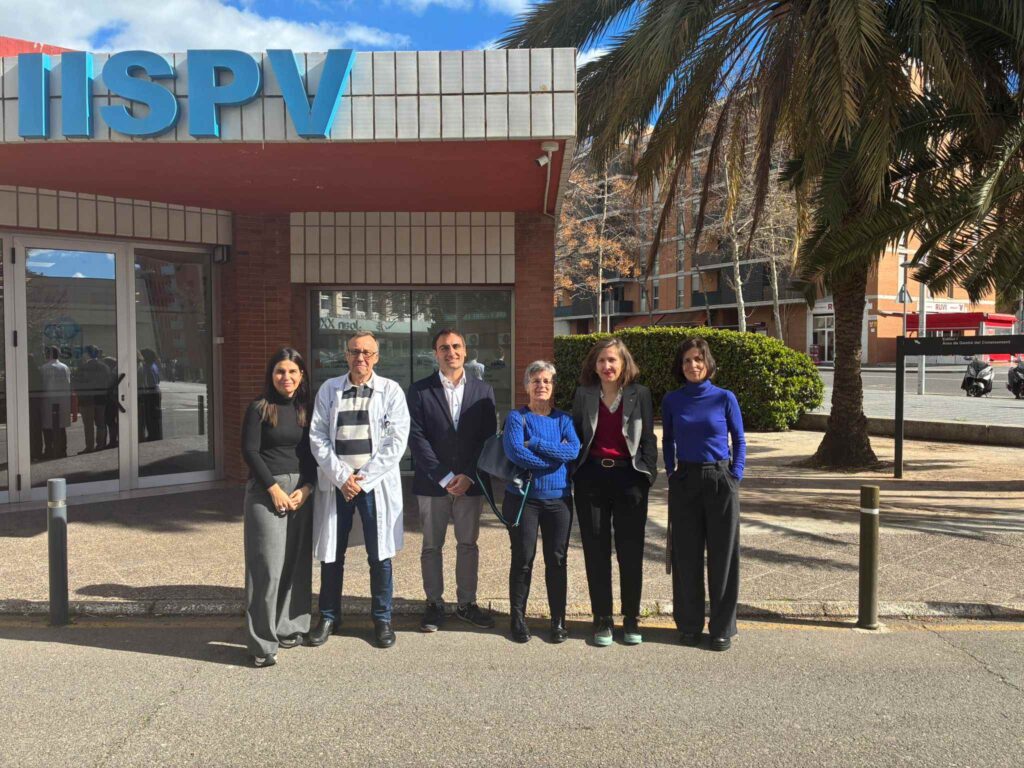
The Direcció General de Recerca (DGR) of the Govern de Catalunya has recently announced the start of a series of institutional visits to research centres across the region. One of the first visits in the area took place at the Southern Catalonia Institute of Biomedical Research (IRB CatSud, formerly IISPV). The meeting was held last Tuesday, 17 February, at the Institute’s headquarters in Tarragona.
The visit was attended by the Direcció General de Recerca, Teresa Sanchis, and the General Deputy of Recerca, Eva Pérez. Representing the Institute were the director, Joan Vendrell; the deputy director, Elisabet Vilella; the manager, Francesc López; and the head of the technical office, Elisabet Galve.
This action is part of a broader initiative aimed at strengthening direct knowledge of CERCA centres and of the different actors in the Catalan research system. The purpose of these meetings is to understand, directly and from the department’s perspective, the reality, needs, and strategic lines of each centre, with the intention of reinforcing institutional collaboration and improving public policies that support research.
For IRB CatSud, this visit is an opportunity to show the centre’s impact on the research ecosystem of Camp de Tarragona and Terres de l’Ebre, as well as to highlight its projects and research team.
A collaborative study from CIBERDEM-ISCIII shows that abdominal fat speeds up vascular ageing and increases the risk of long-term vascular complications, even before obesity appears.
A research team from the Parc Taulí Research and Innovation Institute (I3PT), together with the Pere Virgili Health Research Institute (IISPV) and the Hospital del Mar Research Institute (IMIM), has identified a clear link between abdominal fat accumulation and early vascular ageing in people with type 1 diabetes who have no previous cardiovascular disease.
The study was carried out with a group of 179 people with this condition, all evaluated at Parc Taulí University Hospital under the coordination of José Miguel González-Clemente, endocrinologist and head of the diabetes–cardiovascular risk group at I3PT, and Joan Vendrell, IISPV researcher, co-leader of the DIAMET research group and member of CIBERDEM-ISCIII.
Even though the participants had good control of blood glucose, blood pressure and lipid levels, around 10% showed signs of early vascular ageing. This is an important factor in the development of cardiovascular and microvascular complications that directly affect quality of life and life expectancy.
“In type 1 diabetes, insulin treatment is essential to control blood glucose, but over the years it can lead to gradual weight gain and a higher risk of complications,” González-Clemente explains. He adds that abdominal fat can accumulate before general obesity appears, especially visceral fat, which is metabolically active and strongly linked to artery damage. “This type of fat reduces arterial elasticity, a process related to the degradation of elastin, a key protein in the vascular wall. It may contribute to complications such as heart attack, stroke, circulation problems in the legs, or damage to the retina, kidneys and peripheral nerves.”
The waist-to-height ratio, a tool to detect early vascular ageing
To easily identify people at higher risk, the study highlights the waist-to-height ratio, calculated by dividing waist circumference by height, both in centimetres. The results show that a value of 0.56 or higher is linked to accelerated vascular ageing, measured through pulse wave velocity, a non-invasive technique that assesses arterial stiffness. “Almost all people with high pulse wave velocity had a waist-to-height ratio of 0.56 or more,” González-Clemente notes, adding that other common indicators, such as body mass index or waist-to-hip ratio, are less effective at detecting this risk.
The findings, published in Diabetes Research and Clinical Practice, underline the importance of preventing weight gain and monitoring abdominal fat as a preventive strategy. “Early control of this index would allow intervention before obesity develops, improve metabolic control and reduce the risk of long-term vascular complications,” he concludes.
The researchers point out that the next step is to confirm these results in larger cohorts with longer follow-up. The study also suggests that some drugs used in people with type 2 diabetes to reduce weight might also be useful in type 1 diabetes, although more clinical evidence is still needed.
The donation will support the Institute’s research lines on diabetes, especially those focused on prevention, diagnosis, and treatment
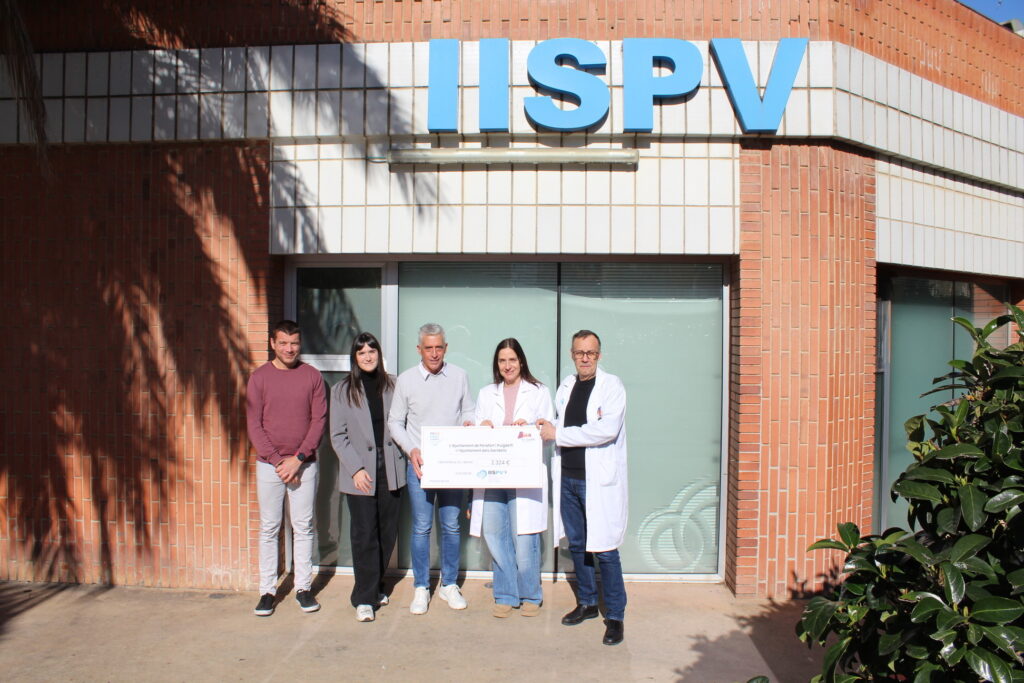
The town councils of Perafort and Puigdelfí and Els Garidells have donated the funds raised during the charity walk ‘Take a Step Against Diabetes’ to the Pere Virgili Health Research Institute (IISPV). The total amount, €2,324, will be used to support research on diabetes, particularly in the areas of prevention, diagnosis, and treatment of this and other metabolic diseases. The event, organised by both councils, took place on 23 November 2025 and celebrated its 10th edition, coinciding with the 20th anniversary of the Institute.
During the ceremony to hand over the symbolic cheque, several representatives of the organising institutions attended: the event’s promoter, Sergi Vernet; the Sports Councillor of Perafort, Xavi Prim; and the Housing and Social Welfare Councillor of Els Garidells, Marta Duque. Representing the IISPV were the director and leader of the Diabetes and Associated Metabolic Diseases Group (DIAMET), Joan Vendrell, and also DIAMET group leader, Sonia Fernández Veledo. The DIAMET group is the beneficiary of the funds, which will help continue its research projects in the field of diabetes.
The donation was made possible thanks to the participation of local residents and the support of organisations and businesses in the area. As highlighted during the cheque presentation by both the organising councils and IISPV representatives, this contribution “strengthens the collective commitment to diabetes research” and shows the “social awareness of a disease that has a major impact on the region”. The aim of the walk is not only to support research but also to promote healthy lifestyle habits.
Over its 10 editions, the charity walk ‘Take a Step Against Diabetes’ has raised a total of €11,000, which has been used to support ongoing diabetes research projects at the Institute.
A study of 746 older people followed for six years identifies a “microbial signature” associated with this dietary pattern and more favourable cognitive ageing
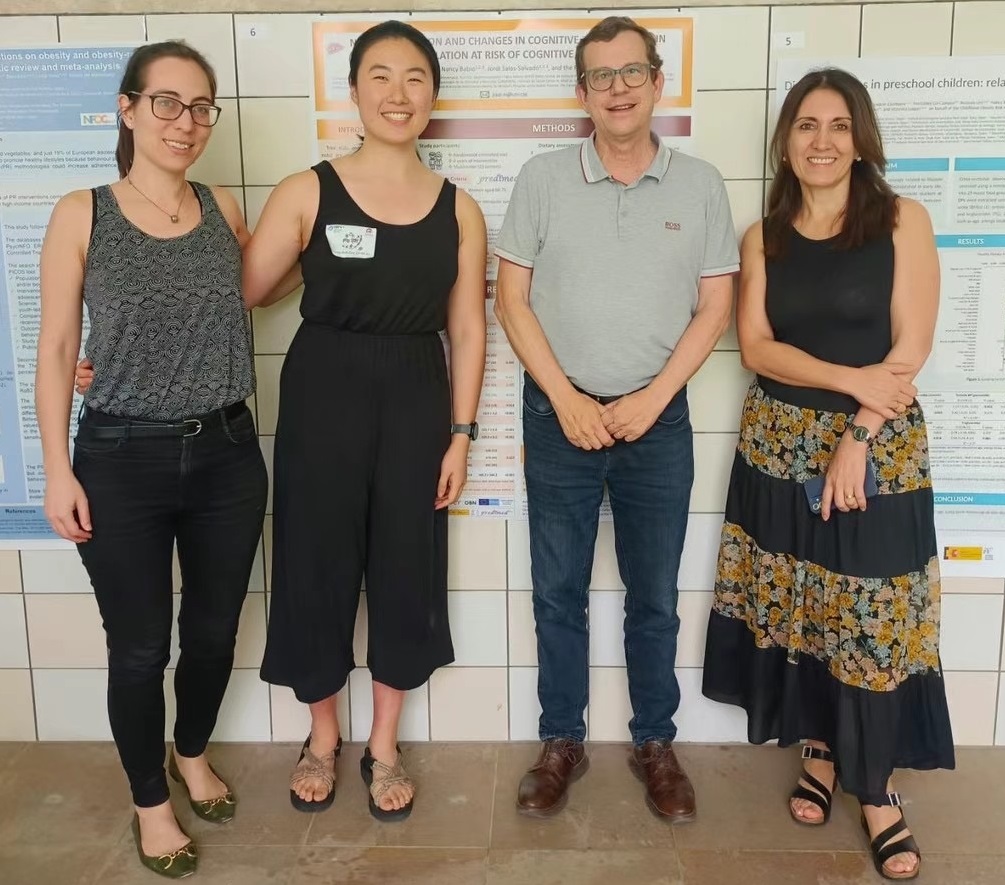
Following a Mediterranean diet not only benefits the heart and metabolism, but could also help preserve cognitive function as ageing progresses. This is according to research led by the Rovira i Virgili University (URV), the IISPV and CIBERobn, which shows how this dietary pattern is associated with a healthier gut microbiota and slower cognitive decline in older adults with overweight or obesity and metabolic syndrome.
The study, published in the journal BMC Medicine, analysed data from 746 older adults at high cardiometabolic risk, who were followed for six years. The research team assessed adherence to the Mediterranean diet, the composition of the gut microbiota and the progression of cognitive function over time. The results indicate that those who most faithfully followed this dietary pattern had a more favourable gut microbiota and a more positive cognitive trajectory.
One of the most innovative aspects of the work is the identification of a “microbial fingerprint” characteristic of the Mediterranean diet. This new biomarker, based on the presence and abundance of certain gut bacteria associated with this type of diet, is also linked to slower cognitive decline. According to the authors, this finding provides new clues about the biological mechanisms that explain the benefits of the Mediterranean diet on the brain.
Eix intestí-cervell
Cognitive function includes abilities such as memory, attention, learning, language and decision-making, which are essential for maintaining autonomy in everyday life. In parallel, the gut microbiota is composed of trillions of bacteria that are involved in key processes such as digestion, immunity and the production of substances that influence the body’s functioning. In recent years, research has revealed the existence of the so-called gut-brain axis, a bidirectional communication system through which intestinal microorganisms can produce compounds that reach the brain and affect its functioning.
“Aquest estudi demostra que la microbiota intestinal és una peça clau en els beneficis cognitius de la dieta mediterrània”, explica Jiaqi Ni, primera autora del treball i investigadora predoctoral de la URV. “Els nostres resultats suggereixen que alguns bacteris intestinals associats a una major adherència a aquest patró alimentari podrien protegir davant del deteriorament cognitiu”.
En la mateixa línia, el catedràtic de la URV Jordi Salas-Salvadó, director de l’estudi, destaca que “identificar una empremta microbiana associada a la dieta mediterrània obre noves oportunitats per dissenyar intervencions nutricionals o microbianes orientades a promoure un envelliment cognitiu saludable”. De la seva banda, les investigadores del Departament de Bioquímica i Biotecnologia de la URV Nancy Babio i Stephanie K. Nishi subratllen la rellevància dels resultats en un context d’envelliment poblacional i augment de la prevalença de la demència, i apunten que millorar la qualitat de la dieta és una estratègia senzilla i accessible amb beneficis reals per a la salut cerebral.
El treball ha estat liderat per la investigadora predoctoral Jiaqi Ni i dirigit per Jordi Salas-Salvadó, Nancy Babio i Stephanie K. Nishi, membres de la Unitat de Nutrició Humana del Departament de Bioquímica i Biotecnologia de la URV, amb la col·laboració d’investigadors del consorci PREDIMED-Plus. L’estudi s’emmarca en una recerca multicèntrica que contribueix a aprofundir en la relació entre alimentació, microbiota intestinal i salut cerebral al llarg de l’envelliment.
Referència bibliogràfica: Ni J, Hernández-Cacho A, Nishi SK, Babio N, Belzer C, Konstati P, Vioque J, Corella D, Castañer O, Vidal J, Moreno-Indias I, Torres-Collado L, Coltell O, Fitó M, Ruiz-Canela M, Wang DD, Tinahones FJ, Salas-Salvadó J. Mediterranean diet, gut microbiota, and cognitive decline in older adults with obesity/overweight and metabolic syndrome: a prospective cohort study. BMC Med. 2025 Dec 1;23(1):669. doi: 10.1186/s12916-025-04488-y.
• The IUNS ACTIVATOR project will analyse the gaps in nutrition research in Asia and how these gaps affect health policies
• The initiative aims to give a stronger voice to the Asian continent in scientific literature and to prepare it to face current nutritional challenges
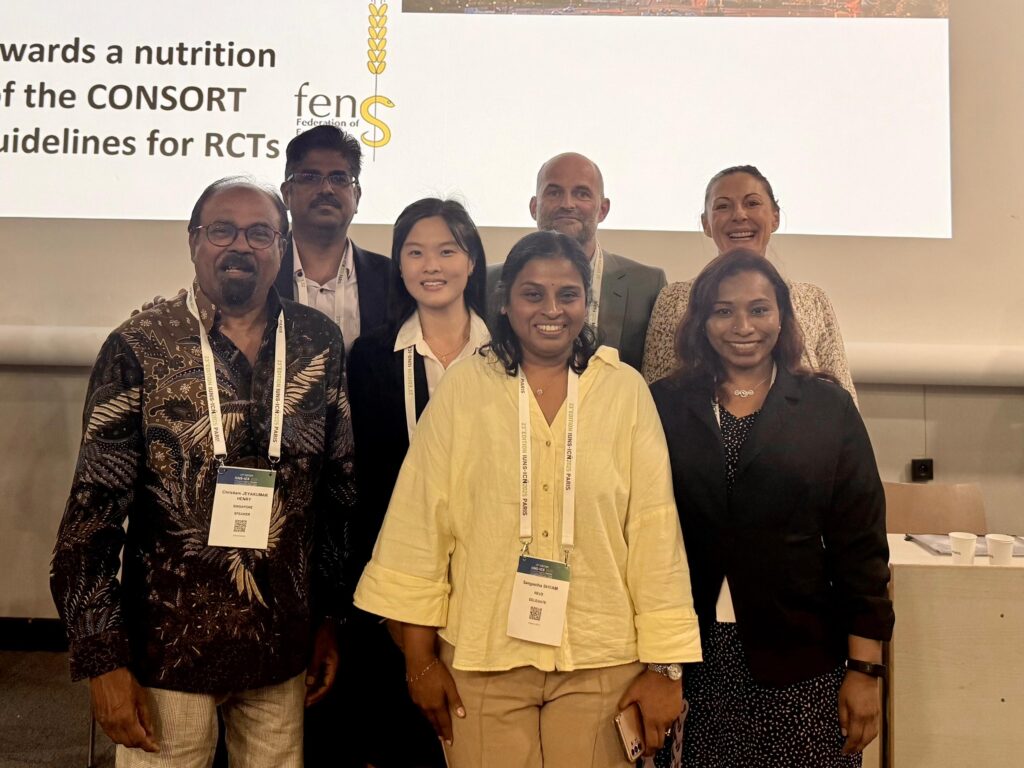
A project led by the Institut de Recerca Biomèdica Catalunya Sud (Southern Catalonia Biomedical Research Institute – IRB CatSud, formerly IISPV) and Universitat Rovira i Virgili (URV) will assess the current situation of nutrition research in Asia, identifying the main gaps and needs in this field. This work is supported by a 5,000 dollar grant from the International Union of Nutritional Sciences (IUNS).
With this funding, the IUNS ACTIVATOR team will work over the next four years to evaluate nutrition research, reflect on how it matches regional priorities, and explore its impact on public health policies. The project will also focus on encouraging efforts to produce relevant scientific evidence at regional level, aiming to improve people’s health through mentoring and the involvement of key stakeholders.
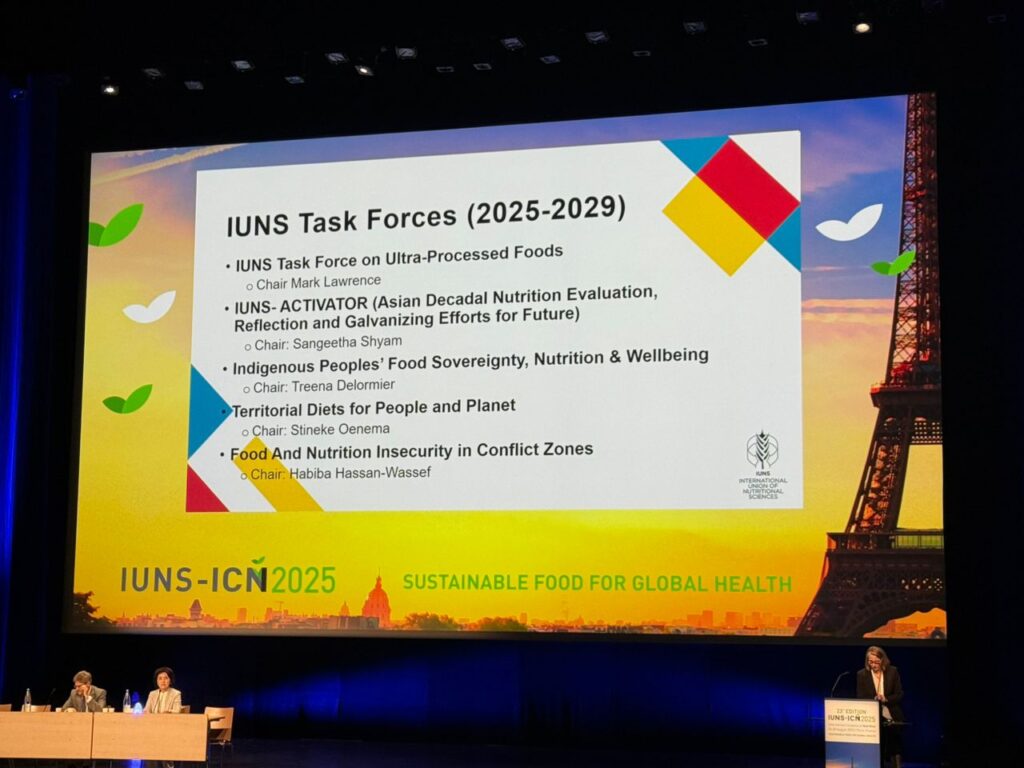
“Carrying out this study is important because Asian countries are still underrepresented in global scientific literature. It is essential to identify their needs in the field of nutrition to understand whether research in Asia is ready to face its specific challenges, especially during a nutritional transition and the growing burden of non communicable diseases,” says Sangeetha Shyam, IISPV URV researcher, involved in the IUNS ACTIVATOR project: ‘Asian Decadal Nutrition Assessment, Reflection and Activation of Efforts for the Future’.
The project team includes 26 researchers from 13 countries in Asia and Europe, with expertise in nutrition, meta research and scientific communication. Another goal of the study is to involve young researchers to ensure the relevance and long term sustainability of the proposed solutions.
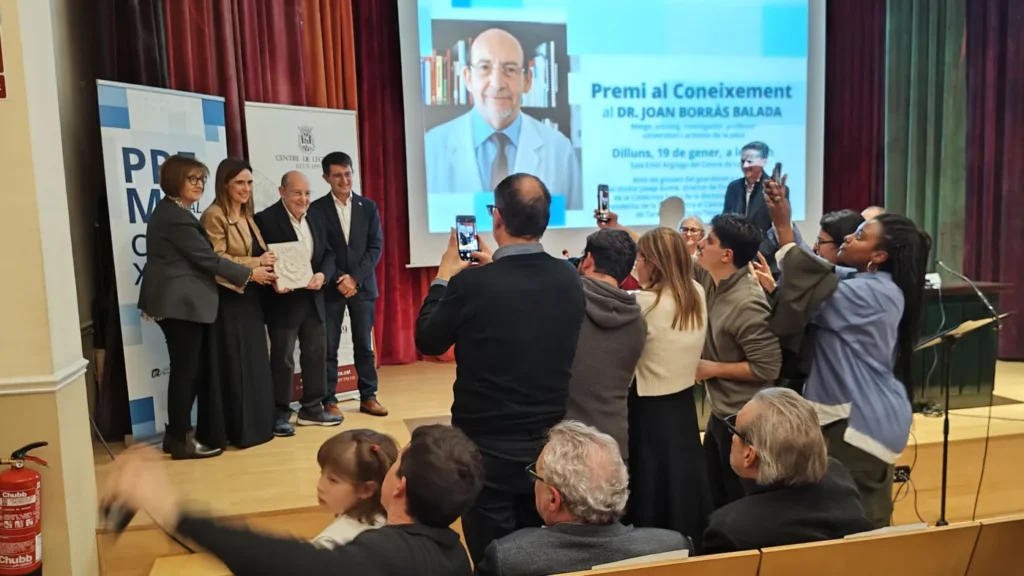
The Institut d’Investigació Sanitària Pere Virgili (IISPV) celebrates the recognition given to Dr Joan Borràs Balada, deputy director of the Oncology Institute of Southern Catalonia and researcher linked to our institute, who has recently received the 2026 Knowledge Prize from the City Council of Reus.