
A new study reveals relevant muscular and metabolic alterations in patients with long COVID
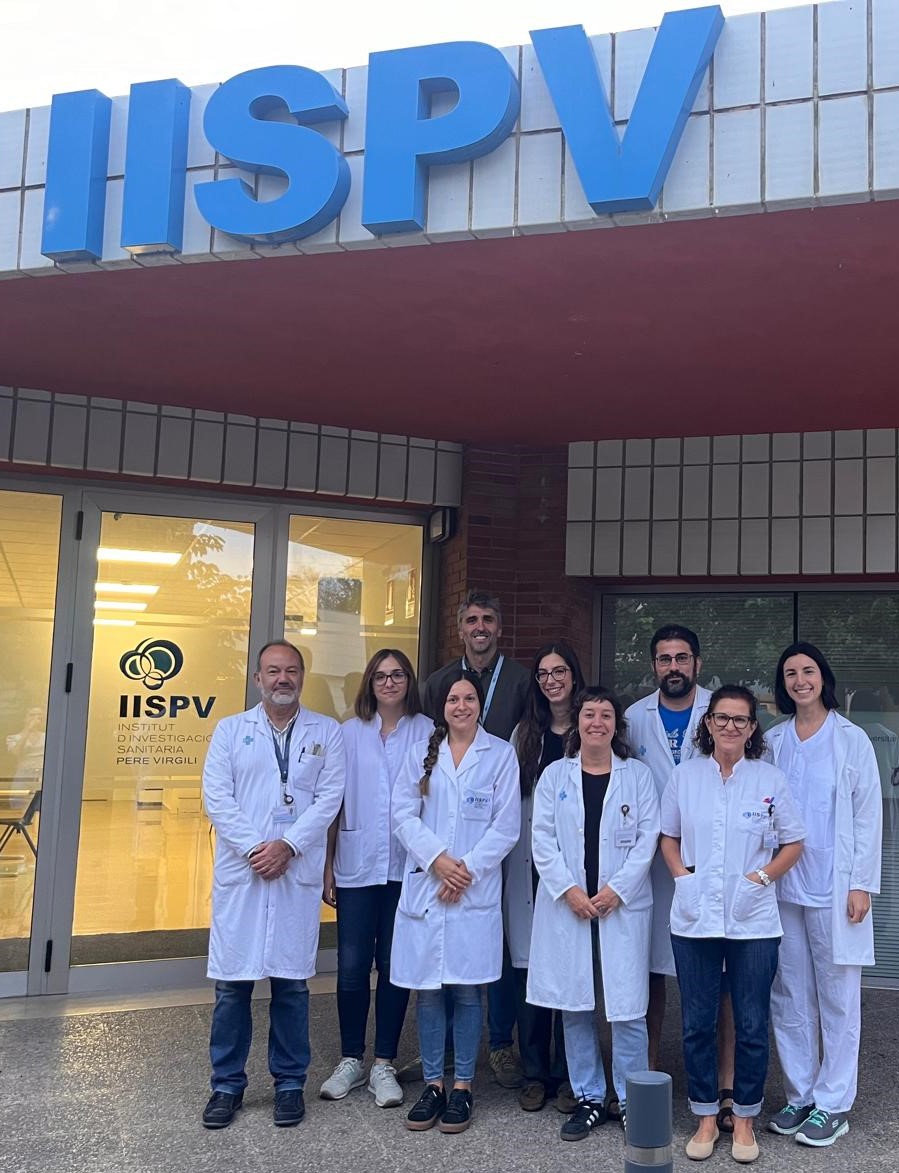
A research team from the Research Group on Autoimmunity, Infection and Thrombosis (GRAIÏT) at the Southern Catalonia Biomedical Research Institute (formerly IISPV), from at the same time of the Internal Medicine and Clinical Physiology and Functional Evaluation services at the Sant Joan University Hospital in Reus, part of the has presented new evidence confirming the deep and lasting impact of SARS‑CoV‑2 infection on the muscular and metabolic systems of individuals affected by Post‑COVID‑19 Condition (long COVID). The results of the study “Assessment of Physical Status and Analysis of Lipidomic and Metabolomic Alterations in Patients with Post‑COVID‑19 Condition” highlight the need to promote specific rehabilitation and physical reconditioning programs to improve patient recovery, and have been published in the scientific journal PLOS ONE this March.
The study reveals significant peripheral muscle involvement related to the infection. This alteration leads to a marked loss of physical performance, one of the most frequent and disabling symptoms of the condition. The researchers emphasize that patients may benefit from personalized rehabilitation protocols to regain strength, endurance, and functionality.
Additionally, through the analysis of body metabolism using metabolomic and lipidomic techniques, they detected changes that may explain some of the patients’ symptoms:
According to the study’s authors, these findings reinforce the idea that Post‑COVID‑19 Condition is a multisystemic disorder requiring an integrated approach combining physical rehabilitation, metabolic monitoring, and personalized interventions.
The researchers note that the results open the door to developing more specific therapeutic strategies and to better guiding care pathways for patients with long COVID.
 Facebook
  Mail
Mail  WhatsApp